Supporting Builders with Energy Compliance: SAP, EPCs, and Airtightness Testing
The UK construction industry is evolving. Now more than ever, builders must plan carefully to meet tough building regulations. These rules are not just frameworks to follow. They are essential parts of creating homes that are more environmentally friendly, less costly to run, and better for their occupants.
Energy compliance is a major part of this. Whether you’re finishing a one-off build or working on a full housing development, showing that your project meets standards like SAP ratings, airtightness levels, and produces valid EPCs is more than just ticking boxes; it’s a must.
At Ratio Seven, we work directly with builders to make sure every energy performance requirement is covered. Our services, like SAP calculations, airtightness testing, and EPC generation, help you stay on target and avoid last-minute panics.
Essential Energy Compliance Services for Modern Builds
SAP Calculations: The Energy Blueprint
Every new residential property in the UK needs SAP calculations. SAP stands for Standard Assessment Procedure. It’s the method used to work out how much energy a home will use for heating, lighting, and hot water.
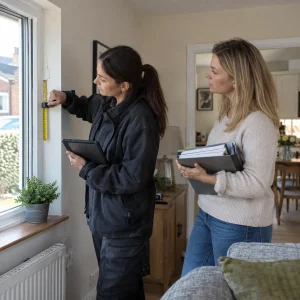
These SAP assessments cover insulation levels, heating systems, ventilation, and even the shape and layout of the building. They are legally required for submission to Building Control and also serve as the basis for EPC ratings. Getting these calculations right from the beginning can help you meet Part L compliance without repeat delays or redesigns.
Our team at Ratio Seven recommends working with a SAP assessor from the design phase onwards. This way, we can spot areas where slight changes could improve your final energy score. Whether it’s choosing more efficient windows or tweaking heating plans, early SAP input helps you plan for success.
Energy Performance Certificates: Clear Ratings for Builders and Buyers
Once your dwelling is finished, it needs a valid EPC. An Energy Performance Certificate shows the efficiency of a property, ranked from A (excellent) to G (poor). This is the public-facing proof of how energy-efficient your building really is.
Generating an EPC is not just a legal formality. It’s an asset to any property listing, helping future buyers or tenants understand how much their bills might be. EPCs also give developers an edge by highlighting strong green credentials and long-term value.
To create an accurate EPC, we apply the data gathered during SAP calculations and incorporate the final results from airtightness testing. This way, your certificate reflects accurate and up-to-date figures for each specific home.
Airtightness Testing: Essential for Part L Compliance
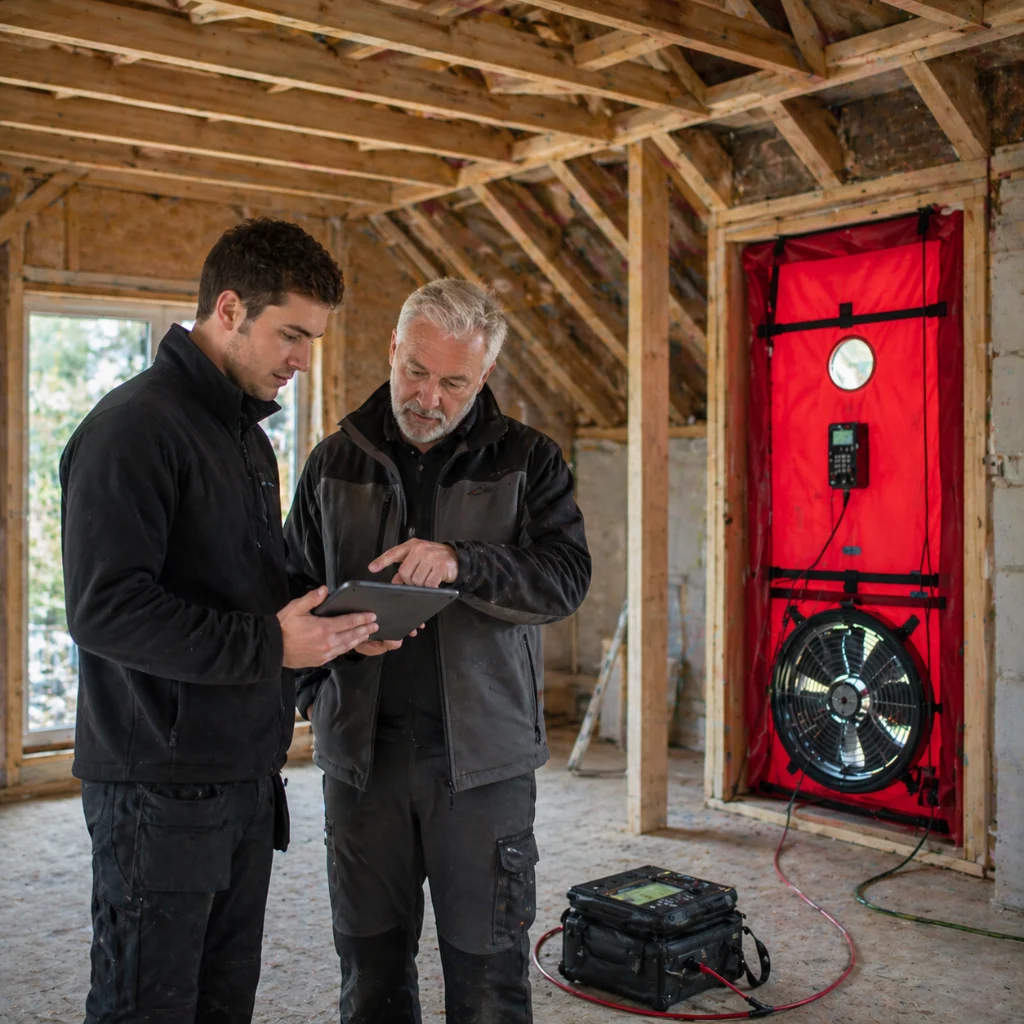
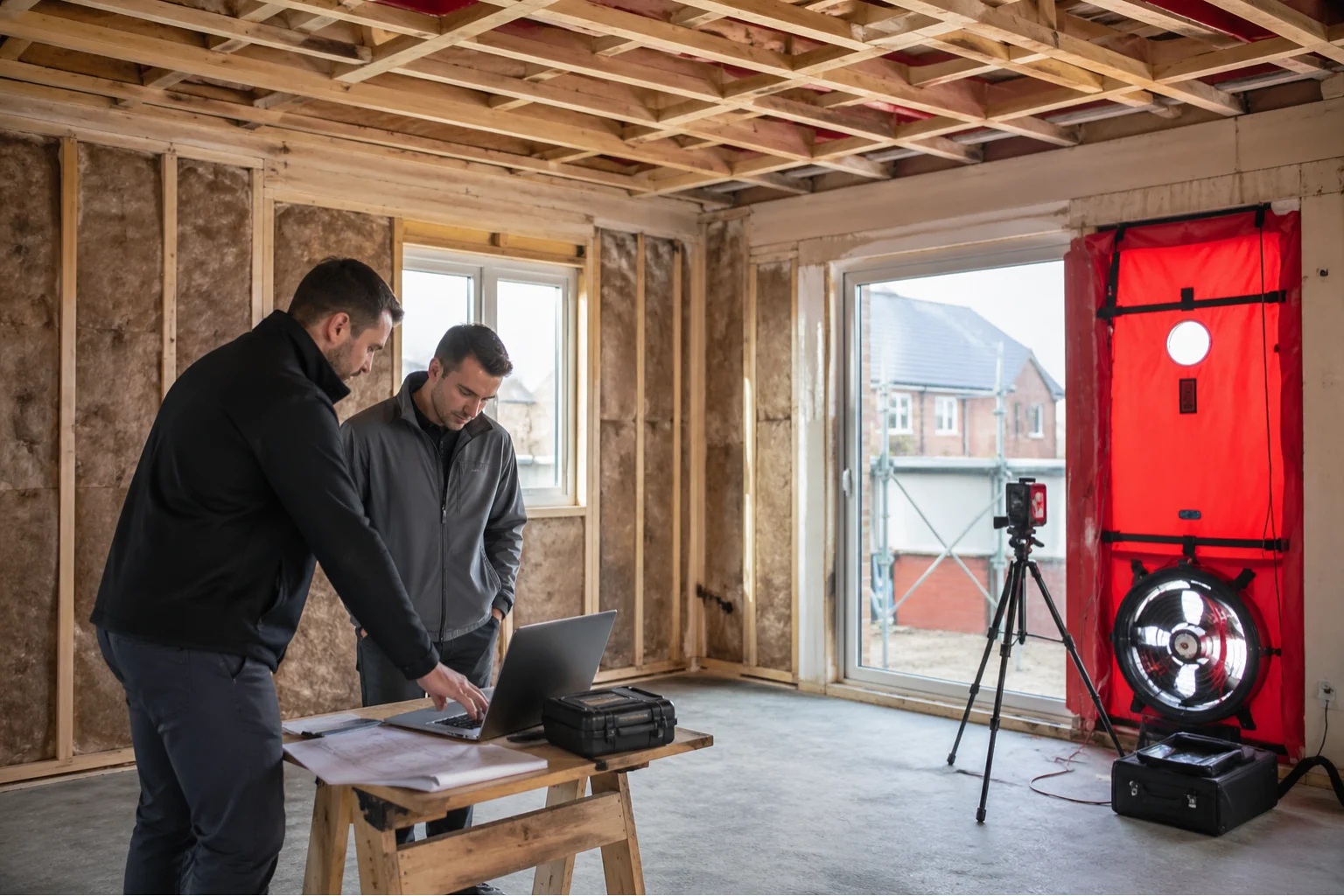
A key part of any completed build is its resistance to uncontrolled air leakage. Airtightness testing is used to measure how well a property can retain heated air without letting it escape through gaps, cracks, or poor sealing.
All new dwellings need to pass airtightness tests to meet Part L compliance. These tests usually come after major building work is complete but before final finishes go in, allowing time to fix any issues before they’re hidden behind plasterboard or paint.
We work closely with builders on-site, walking through the process and advising what to watch out for. If any areas fall short, we offer clear guidance on what needs fixing and give you another chance to pass.
More importantly, you’ll receive timely digital reports and certificates needed for Building Control sign-off.
We Support You from Design to Handover
Getting Things Right from Day One
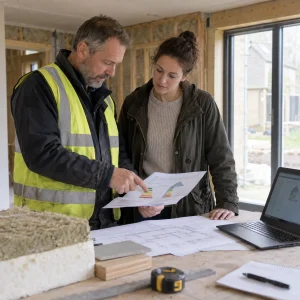
Builders face tough deadlines and budget targets. That’s why early consultation is so helpful. We join conversations with architects and developers at the planning stage, suggesting building methods that will meet SAP and airtightness requirements without throwing off your schedule.
We don’t talk in complicated terms or overly technical language. We prefer to speak plainly so you understand exactly what needs to be done. Whether it’s insulation depth, air source heat pumps, or glazing choice, our job is to help you make informed decisions.
Spotting potential problems early is key. We’ll flag anything that might later fail energy tests long before it becomes a costly mistake.
Staying Compliant as Work Progresses
Energy compliance doesn’t step in just at the end. Builders now need to prove throughout the project that their work aligns with materials, technologies, and building methods permitted in the original SAP assessment.
That’s where our project monitoring support is helpful. Need to swap a product that is out of stock? We’ll check the implications. Want to try a new insulation board? Let’s review its SAP rating.
By keeping in contact with Ratio Seven during the build, we make sure nothing steps out of line. This avoids any last-minute panic when it’s time to obtain your final EPC or submit airtightness test results.
Testing and Certificate Delivery for Final Sign-Off
Once your build is nearly complete, our team comes in to carry out airtightness testing. We always aim to give you immediate advice if results are borderline or fail.
We also prep everything needed for your final EPC, based on final material records and air permeability scores. Once it’s approved, we send through a digital copy you can pass on to Building Control or future owners.
Why Energy Compliance Matters in Today’s Construction
Meeting Today’s Rules Is Not Optional
Every builder, from large contractors to single developers, is expected to meet strict energy testing requirements. You can’t skip SAP calculations, skip airtightness testing, or hand over a property without a valid EPC. These rules are part of scheduling completion and legal property exchange.
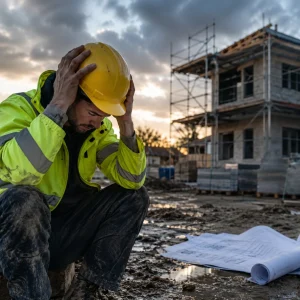
Failing to comply risks delays, fines, or worse, denied sign-off. By keeping up with everything from day one, you save time and reduce stress in the final stage of your build.
Stronger Properties for Buyers and Owners
Energy efficiency now plays a large role in how homes are bought and sold. Parents want warmer homes for their children. Buyers want better insulation to cut bills. New homeowners often ask, “What’s the EPC rating?”
Builders who show responsible planning and good energy results can use that trust to improve their standing. It becomes a selling point that your homes are built well and care has been taken to reduce running costs and overall emissions.
Energy compliance is more than meeting regs; it improves the value and appeal of what you build.
Let’s Make Your Next Build Compliant from the Start
At Ratio Seven, we focus on giving builders what they need to meet energy standards easily, without slowing down site schedules or confusing paperwork. Whether it’s quick SAP calculations, reliable airtightness testing, or fast EPC certificates, our team handles it with you.
We understand that builders need to stay productive. That’s why we work around your site deadlines and explain everything in plain terms. From planning to testing, we offer ongoing help at every step to avoid problems later and keep your build on track.
Need help with energy compliance? Get in touch with us today and let Ratio Seven take the pressure off your next build.