
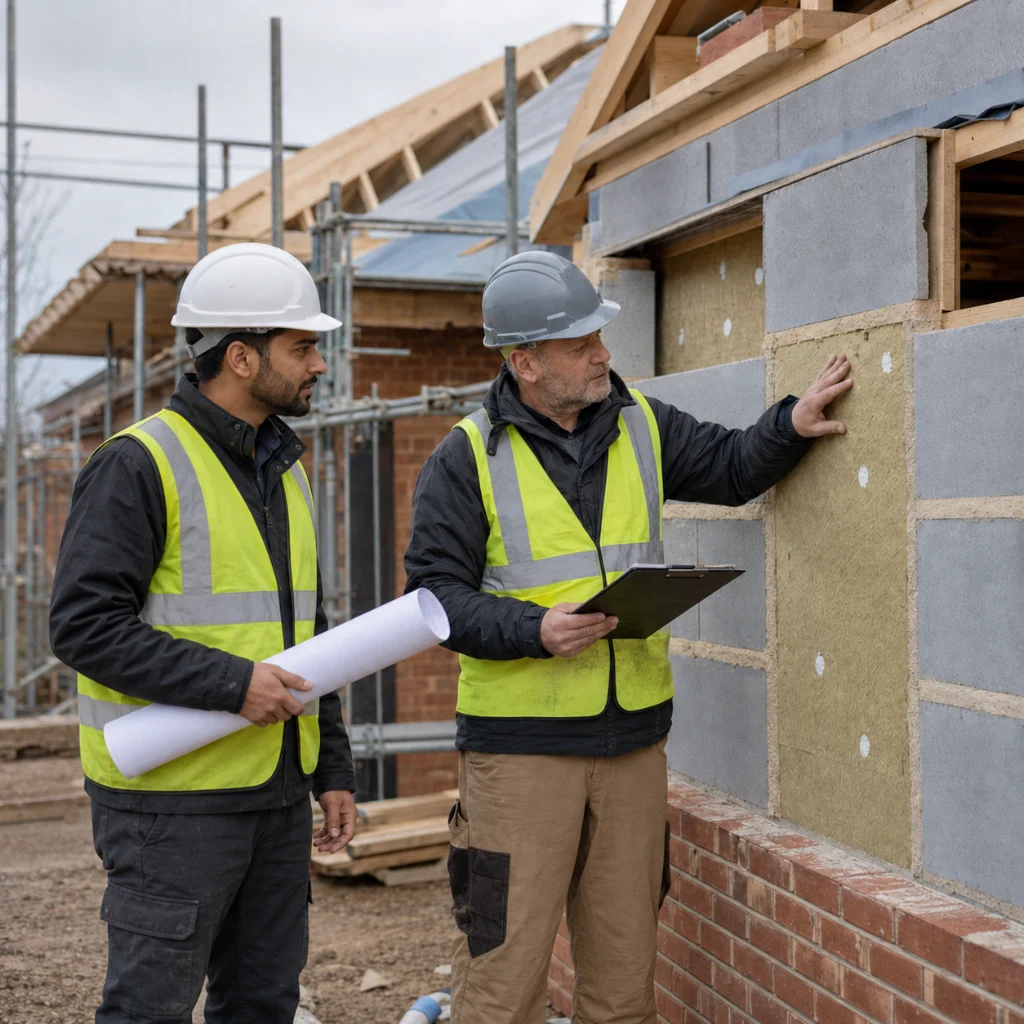
Rules around energy performance and building compliance keep shifting, and it can feel like a lot to keep up with if you are running sites, managing timelines, and trying to keep costs under control. This article looks at what builders need to prepare for next, why compliance testing matters more than ever, and how a bit of early planning can save a lot of stress further down the line.
What builders need to know about the current rules
Building regulations in the UK have become stricter over the past few years, with a stronger focus on energy efficiency and carbon output. New homes now need to hit higher standards for insulation, airtightness, and heating systems than they did even five years ago. This means every stage of a build, from design through to the final handover, has to take these targets into account.
Getting this right starts long before bricks go up. Developers who bring in accurate SAP calculations at the design stage tend to avoid nasty surprises when it comes to final testing. These calculations work out how much energy a home is likely to use, and they form the backbone of most compliance checks. Skipping this step, or rushing it, often leads to expensive changes later on.
Part L of the building regulations sets out the specific rules for energy use and carbon emissions in new and existing buildings. Anyone working on residential projects needs a solid grasp of what Part L building regulations actually require, because the details matter. Wall thickness, window specifications, and heating system choices all feed into whether a building passes or fails.
What builders need to prepare for as standards tighten further
The direction of travel is clear: energy standards will keep getting tougher. Future updates to building regulations are expected to push for even lower carbon output and better insulation performance across the board. This is one of the biggest things builders need to prepare for, because sites designed under today’s rules may need adjusting to stay ahead of tomorrow’s.
Practically, this means thinking about airtightness earlier in the process rather than treating it as a box to tick at the end. Poor airtightness is one of the most common reasons homes fail their final checks, and it often comes down to small gaps around windows, doors, and service penetrations that were never properly sealed. Booking in nationwide air testing at the right point in the build gives site teams a chance to fix issues while it is still cheap and easy to do so.
Material choices matter too. Insulation values, glazing performance, and heating efficiency all need to work together rather than being decided in isolation. A site that treats energy compliance as an afterthought will always struggle more than one that builds it into the design from day one.
Why early testing saves time and money
One of the clearest lessons from sites that run smoothly is that testing early beats testing late every single time. Waiting until a property is finished to check compliance is a gamble, because any failures at that point mean ripping out work that has already been signed off and paid for.
Running checks at key stages instead, rather than leaving everything to the end, helps catch problems while they are still small and cheap to fix. This is exactly the thinking behind our approach to new build compliance testing to avoid delays, which looks at how staged checks keep projects on schedule and on budget. Builders who build this into their programme from the outset tend to have far fewer headaches when it comes to final sign-off.
It also helps to have one point of contact managing the technical side of things, rather than juggling multiple suppliers who are not talking to each other. Consistency in how testing is carried out, and how results are reported, makes it much easier to spot patterns and fix recurring issues across a development rather than dealing with each plot as a one-off problem.
Understanding SAP calculations across a whole development
For anyone managing multiple plots, SAP calculations are not just a technical formality; they are a planning tool. Getting a clear picture of energy performance across a whole development, rather than just one house at a time, makes it far easier to spot where standard designs might struggle to meet targets.
Our guide to SAP calculations and UK residential compliance breaks down how these assessments work and why they need to be treated as part of the design process rather than a final hurdle. Getting this right early on means fewer changes to specifications later, which keeps costs predictable and avoids arguments with clients about who pays for late alterations.
Developers who are new to this process, or working with a design team unfamiliar with current requirements, often find it useful to start with something more accessible. Our guide to SAP calculations for homeowners and developers explains the basics in plain terms, which is especially handy when explaining requirements to clients who are not familiar with the technical side of house building.
FAQs
What do builders need to prepare for when energy rules change?
Builders need to prepare for stricter airtightness targets, tougher carbon limits, and more detailed checks throughout the build process rather than just at the end. Keeping designs flexible and testing early makes these changes much easier to manage.
How early should SAP calculations be carried out?
SAP calculations should ideally be done at the design stage, before construction starts. This gives the design team a chance to adjust insulation, glazing, or heating choices if the numbers show the building will not meet targets.
What happens if a new build fails its air test?
If a property fails its air test, the build team needs to find and seal the gaps causing the leakage, then retest before the property can be signed off. This can delay handover, which is why catching issues early through staged testing is so useful.
Do smaller developers need to worry about these regulations as much as large housebuilders?
Yes, the same rules apply regardless of the size of the development. Smaller developers often benefit even more from getting expert support early, since they may not have an in-house technical team to manage compliance across every plot.
Getting ready for what comes next
Compliance is not something to leave until the final stages of a project. The builders who manage change most smoothly are the ones who treat energy performance and testing as part of everyday planning rather than a separate task bolted on at the end. Whether that means reviewing SAP calculations earlier, booking in airtightness checks at the right points, or simply asking more questions before work starts, small changes in approach make a big difference over the course of a project.
If you have questions about your own site or development, our SAP calculations FAQs page covers many of the common queries we hear from builders and developers. For anything more specific, our team at Ratio Seven is always happy to talk through your project and help you plan the next steps with confidence.


