Understanding SAP Calculations After Construction Begins
In the world of construction and renovation, questions often arise about the right time to conduct SAP calculations. While it’s common to carry out these assessments before breaking ground, sometimes changes during building work necessitate recalculations. Many are left wondering if it’s feasible to conduct SAP calculations once construction has already begun. Let’s explore this scenario.
What Are SAP Calculations, and Why Do They Matter
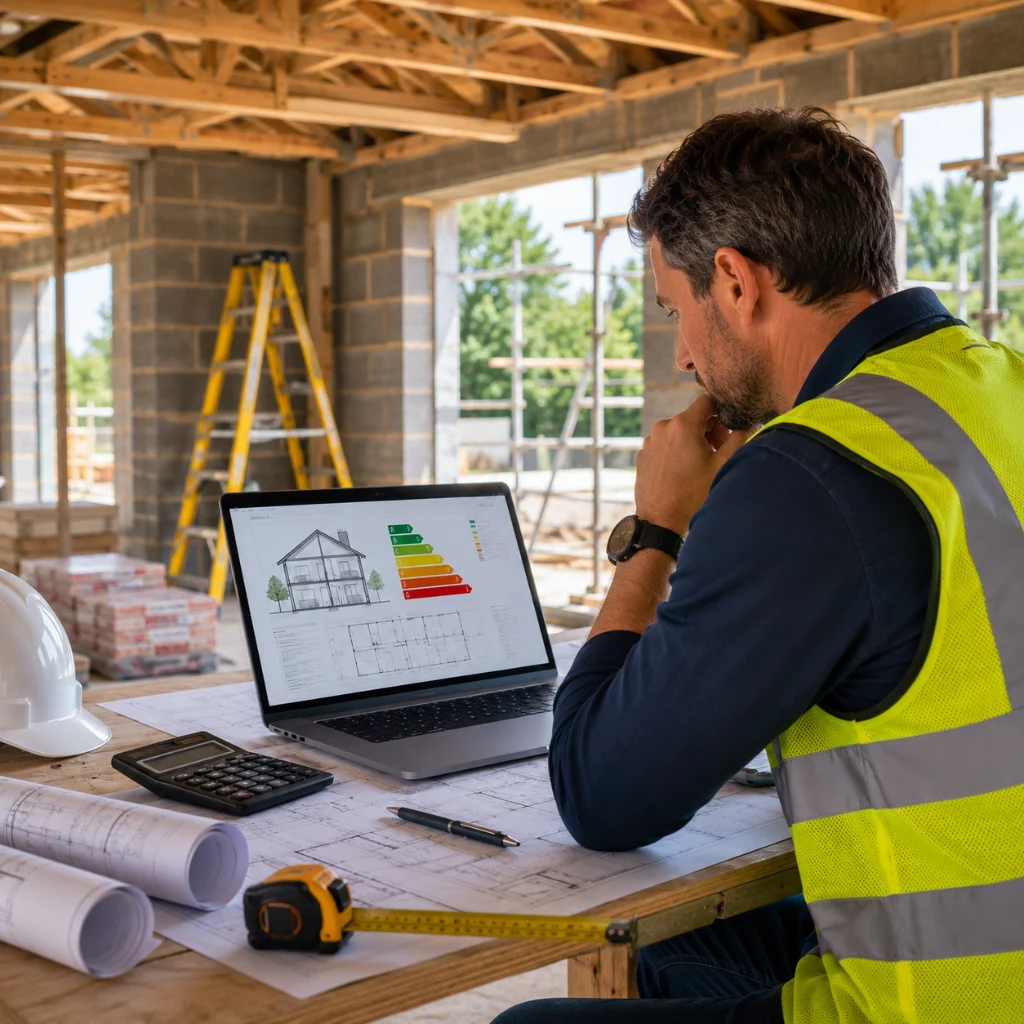
SAP calculations, or the Standard Assessment Procedure, play a crucial role in assessing a home’s energy efficiency. From ensuring adequate insulation to evaluating energy consumption, SAP calculations provide a comprehensive overview of a property’s performance. Building regulations ensure your home complies with energy standards, which is essential not just for legal reasons but also for environmental sustainability. More insights can be found in Ratio Seven’s guide for homeowners and developers, which simplifies these assessments for different audiences.
Conducting SAP Calculations Post-Construction Start
Contrary to the notion that SAP calculations must be completed before building begins, the process actually allows flexibility. It’s not just possible but sometimes necessary to carry out these calculations after starting construction. You might encounter design changes, material switches, or scope of your project, all requiring updated energy assessments to ensure continuous compliance with building regulations.
Building regulations require energy efficiency, and SAP calculations are the gateway to proving compliance. When architectural modifications or unforeseen circumstances arise, you may need to adjust your SAP calculations. This aspect of adaptability is invaluable for maintaining energy performance standards in evolving projects.
The Necessity of Building Regulations Compliance
Building regulations compliance is crucial for both new constructions and renovations. SAP calculations are a part of this compliance process, ensuring your architectural choices align with legal energy performance criteria. By maintaining energy efficiency, you’re not only adhering to laws but also promoting a more sustainable environment, which is increasingly essential in today’s world.
In certain instances, when calculations are performed retrospectively, these provide a safeguard that any deviations from original plans still adhere to energy performance standards. The ability to adapt to changes and still meet required standards makes SAP calculations even more relevant.
Adaptability in SAP Calculations: A Key Takeaway
The adaptable nature of SAP calculations is advantageous when unexpected alterations happen. Whether it’s a last-minute change in building materials or design tweaks, the flexibility to reassess energy performance ensures that all elements of building regulations compliance are met. Ratio Seven’s beginner’s guide offers a deeper understanding of the mechanics and flexibility inherent in the SAP process.
This adaptability helps builders and developers to manage unforeseen changes, maintaining compliance and ensuring energy efficiency even when projects take unexpected turns. So, you’re not only following regulatory guidelines but also carving out a path for future sustainability in your project.
Practical Solutions for Builders and Developers
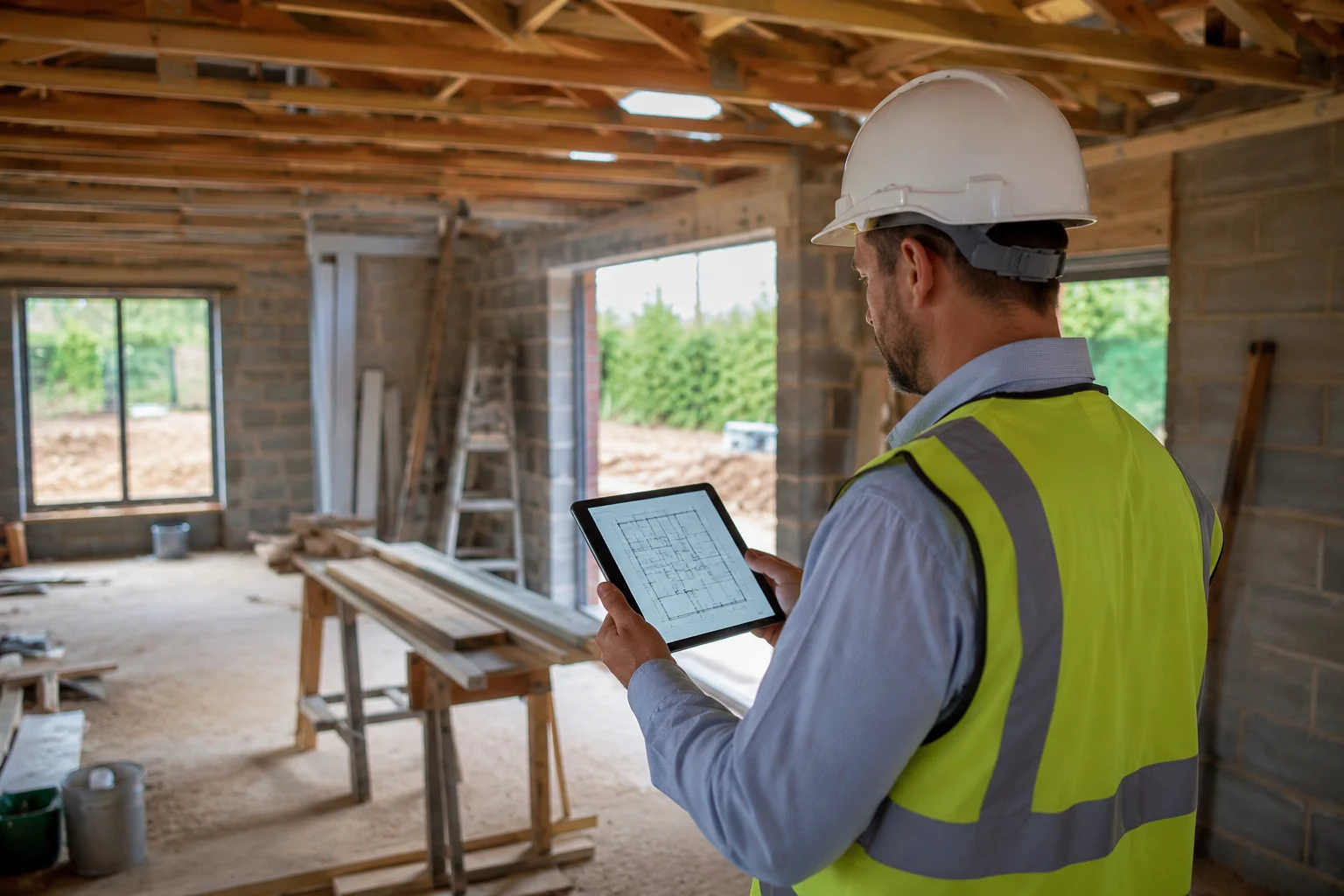
From a practical standpoint, dealing with SAP calculations mid-construction involves clear communication between construction teams, architects, and SAP assessors. While the ideal is to conduct calculations before beginning construction, the reality is that plans sometimes evolve, and so too must your energy assessments.
Utilising SAP calculations as a dynamic tool rather than a static requirement ensures performance and compliance on an ongoing basis. This process often involves reassessing initial plans and accommodating necessary adjustments to maintain compliance with building regulations. Explore Ratio Seven’s FAQs for practical pointers and solutions that could apply to your specific scenario.
It’s crucial to recognise that SAP calculations can be a helpful friend to construction projects, not a hurdle. By embracing them as a living part of the process, you can utilise their flexibility to maintain compliance and efficiency even when changes occur.
Best Practices for Conducting Post-Start SAP Calculations
If you find yourself needing SAP calculations after beginning construction, consider these steps:
- Communicate Early: Engaging with your SAP assessor as soon as changes occur helps keep all energy efficiency considerations in mind.
- Document Changes: Whether it’s materials or design, keeping a thorough record facilitates updated calculations and ensures no detail is missed.
- Remain Consistent: Aim to keep energy efficiency a consistent priority throughout construction to maintain both energy performance and regulatory compliance.
- Engage with Experts: Work with experienced professionals, such as those found at Ratio Seven, who can offer insights and guide your project through the intricacies of SAP calculations. For further details, consider consulting their UK compliance overview.
FAQs
Is it practical to conduct SAP calculations mid-construction?
Definitely! While it’s often preferable to complete calculations beforehand, recalculating as changes arise is both practical and sometimes necessary to adhere to evolving project needs.
What should we do if plans change during construction?
Involve your SAP assessor immediately. This keeps everyone informed and supports timely updates to your energy calculations, ensuring ongoing compliance.
What are the implications of not conducting SAP calculations?
Without SAP calculations or updates, a project may fail to meet building regulations compliance, which could lead to legal and financial repercussions and might compromise property value and environmental impact.
Stay Compliant with SAP Calculations, Even After Construction Has Started
Navigating the complexities of SAP calculations after building has commenced is entirely possible with the right strategies. While pre-construction assessments are ideal, the industry recognises the importance of adapting energy assessments as projects evolve. This ensures that building regulations compliance is maintained, ultimately leading to more energy-efficient and legally sound structures. By working with knowledgeable teams, like those at Ratio Seven, you can feel confident in adapting your approach as needed.
For an engaging and efficient construction journey, embracing the adaptability of SAP calculations is a path worth exploring.