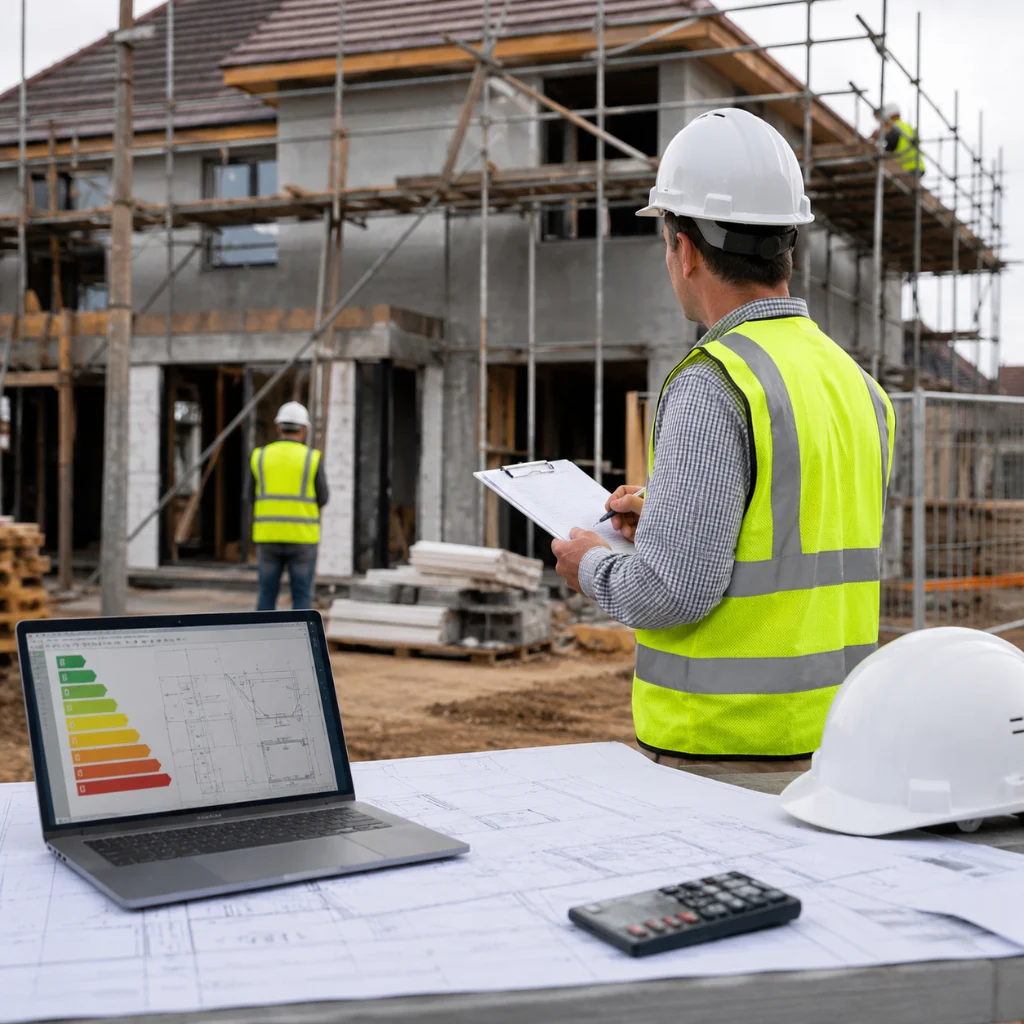
The Essential Role of Building Inspectors in Construction
In the world of construction, building inspectors are crucial. They ensure buildings are safe by making sure they follow various codes and standards. This makes our homes and other structures secure and comfortable. But the responsibilities of building inspectors go beyond safety; they delve into the energy efficiency and environmental friendliness of buildings. This is where SAP calculations come into play. These assessments are a pivotal part of ensuring our homes aren’t just sturdy but also sustainable.
Why SAP Calculations Matter
SAP calculations, or Standard Assessment Procedure calculations, are a key aspect of understanding a building’s energy efficiency. They evaluate how properties perform in terms of energy use and environmental impact. This is vital because buildings need to meet certain rules about how much energy they use. These rules are part of building regulations that focus on sustainability, ensuring that homes and developments are more energy-efficient and kinder to our planet.
SAP calculations are necessary for both new builds and major renovations. They help determine if a building meets the energy performance criteria set by the governing bodies. Without these calculations, it’s impossible to know whether a home or building meets the sustainability standards that are increasingly the norm in the industry.
Do Building Inspectors Ask for SAP Calculations?
A key question arises: do building inspectors routinely ask for SAP calculations when they conduct their inspections? The short answer is yes, particularly when they are verifying whether a property meets energy performance standards. At Ratio Seven, we frequently encounter scenarios where inspectors request SAP calculations during different stages of the construction process.
During the initial planning and construction stages, inspectors may review SAP calculations to ensure that the proposed design meets the required standards. For new builds, this is crucial to get building approval. Later, during the final inspection stage, calculations are often revisited to see if the building’s actual performance aligns with the projected efficiencies. Significant renovations also prompt inspectors to request SAP calculations, especially if these changes can affect the overall energy use of the property.
Instances of SAP Calculation Requests
There are numerous instances where building inspectors require SAP calculations. For example, when evaluating a new residential development, inspectors will check that each home complies with energy efficiency standards by reviewing the SAP assessments. This ensures that all units within a development adhere to the same energy performance criteria.
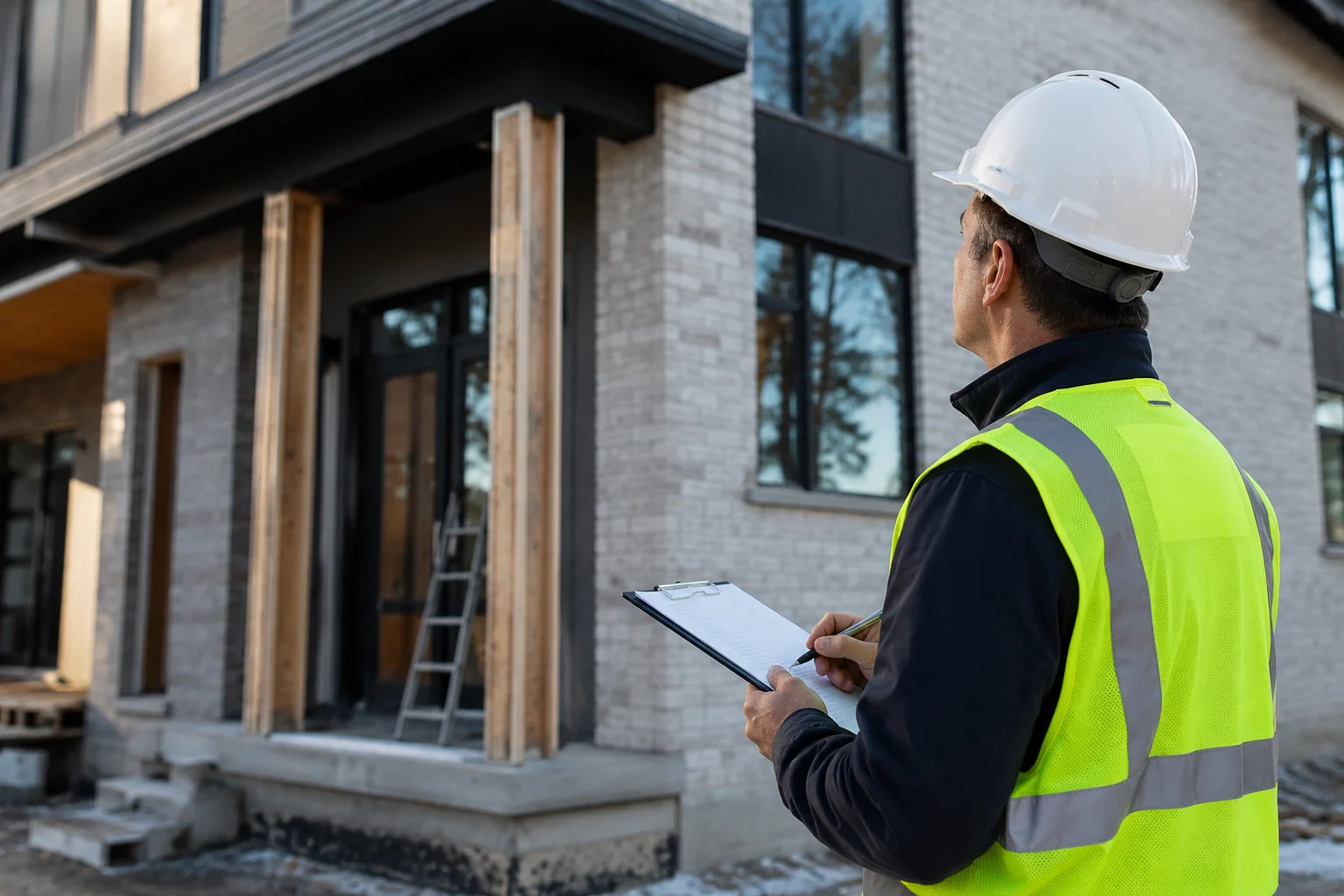
Renovations, especially significant ones that change the layout or facade of a building, can also trigger requests for updated SAP calculations. If, for instance, an extension is added or if a building has undergone significant structural changes, inspectors need to see updated SAP results to ensure compliance with current energy efficiency laws.
For landlords renting out properties, energy performance certificates must be provided, which are also based on SAP calculations. This document is critical as it informs potential tenants about the energy efficiency of the property they might rent. Building inspectors often check these certificates during inspections to verify their accuracy and ensure transparency in rental agreements.
The Value of Thorough Documentation
One of the most important aspects of working with building inspectors is maintaining comprehensive documentation. Accurate and complete SAP calculation records are crucial for builders and developers. These documents prove that a property meets necessary energy standards and smooth the inspection process.
Proper documentation plays a major role in avoiding delays caused by requests for additional information or clarifications. When builders have all necessary documents readily available, inspectors can do their jobs more smoothly, leading to quicker approvals and fewer complications. This means keeping all records organised and ready for review is beneficial not only for inspectors but also for building professionals who want to keep their projects on schedule.
Our Takeaway and How It Impacts You
In the fast-evolving construction landscape, ensuring compliance with energy efficiency standards has become increasingly paramount. Building inspectors, a crucial link in this chain, often rely on comprehensive SAP calculations to do their job effectively. These assessments not only measure a building’s energy efficiency but also guide us in creating sustainable properties that align with current environmental goals.
At Ratio Seven, we understand the complexities and requirements associated with SAP calculations. We see them as a crucial element that complements the duties of building inspectors. As builders or property developers, being prepared with accurate and comprehensive SAP documentation is more than a best practice; it’s essential for ensuring compliance with building standards that continue to evolve towards more sustainable practices.
For anyone involved in construction, whether starting a new build or upgrading an existing property, understanding the importance of SAP calculations is crucial. Being proactive can ensure smoother interactions with building inspectors and contribute positively towards meeting sustainability goals. Embrace the necessity of energy performance with SAP calculations and ensure your constructions are compliant, efficient, and environmentally friendly.
For detailed insights and guidance on SAP calculations, visit our in-depth resources at Ratio Seven, where you’ll find a wealth of information tailored to homeowners and developers alike.