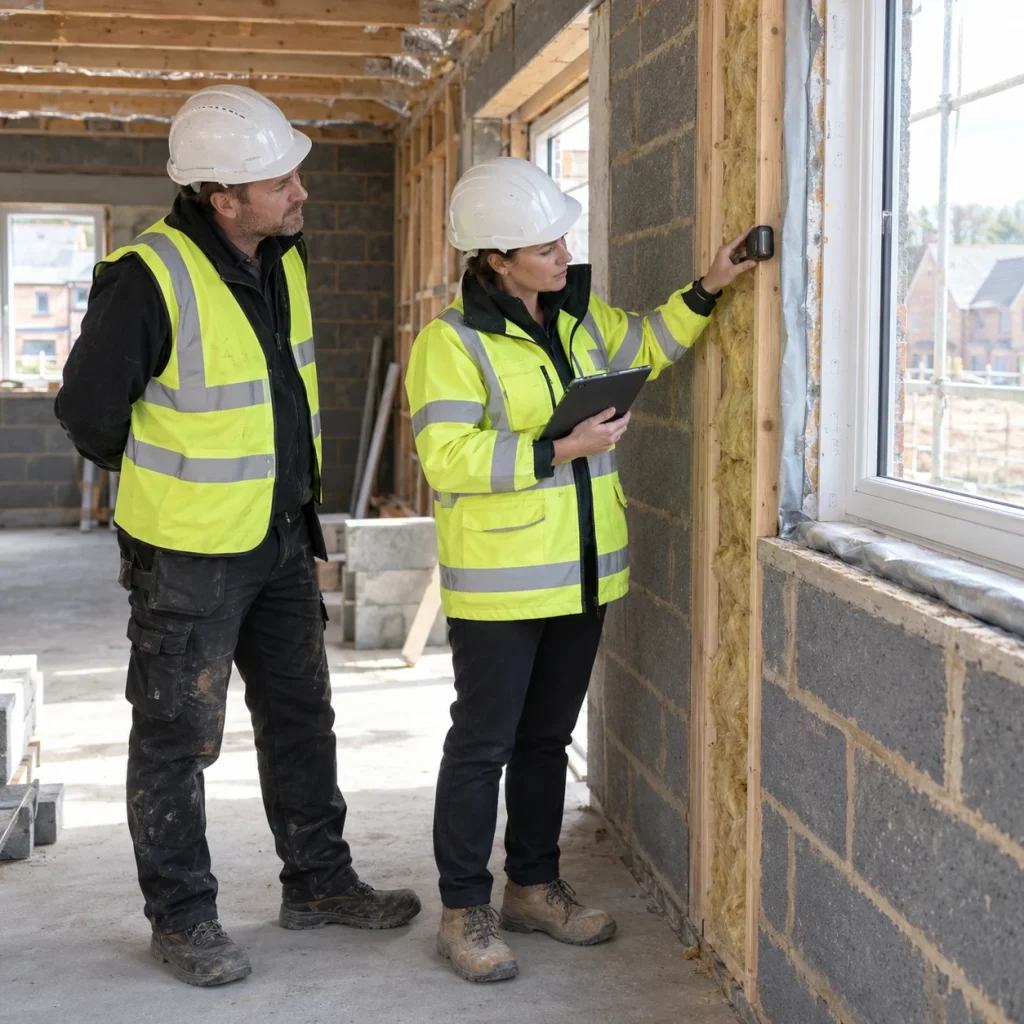
If you have ever wondered what actually happens when an assessor turns up at a new build, this article walks through the whole process from start to finish. We put together this guide to help homeowners, developers, and site managers understand exactly what to expect, so nobody is caught off guard when the day arrives.
What happens during a site visit
A site visit is simply the point where an assessor comes to your property or development to check that everything matches what was planned on paper. It sounds straightforward, but there is a lot going on behind the scenes to make sure the visit runs smoothly and produces accurate results. Whether the visit is for airtightness testing, thermal checks, or a general compliance review, the same basic principles apply.
Before anyone sets foot on site, there is usually a fair bit of preparation. This might include reviewing the building plans, checking previous SAP calculations, and confirming that the property is ready for testing. It helps enormously if the site team has already sealed any obvious gaps, finished trickle vents, and completed any work that could affect the results. A rushed or unprepared site often leads to delays, and nobody wants that.
On the day itself, the assessor will usually introduce themselves to whoever is managing the site, run through what they plan to do, and confirm access to every room that needs testing. From there, the actual work begins, and this is where things get a bit more technical.
The walkaround and initial checks
Once introductions are done, the assessor will typically walk the entire property, noting anything that looks unfinished or that might affect the outcome of the test. This includes checking windows and doors are properly fitted, extractor fans are in place, and any gaps around pipework or cabling have been sealed. These small details matter more than people expect, since even a tiny gap can throw off an airtightness result.
During this stage, the assessor might also cross-reference the build against the original design specification, particularly if the property forms part of a wider development. This is where documents like a SAP calculation for residential compliance become useful, since they set out the standards the finished building needs to meet.
Site visit testing and measurements explained
The technical part of a site visit usually involves specific tests, and for most new builds this means an airtightness test. A fan is fitted into an external door, and the assessor uses it to either pressurise or depressurise the building while measuring how much air escapes. The result is compared against the target set out in the building’s design stage.
This is one of the most common reasons a site visit takes place, and it links closely to wider building rules. Anyone unfamiliar with the current standards might want to read up on Part L building regulations, which set out the energy efficiency requirements that new homes must meet. These rules affect everything from insulation levels to window performance, so they tend to shape a large part of what gets checked during the visit.
Alongside airtightness, the assessor might also carry out spot checks on insulation, ventilation systems, and heating controls. Depending on the property type and location, some of this testing might be arranged through a nationwide air testing service, which allows consistent standards to be applied regardless of where the site is based. This matters a great deal for developers working across multiple regions, since it keeps every property held to the same benchmark.
Throughout the testing, the assessor will take photographs and written notes. These records form the backbone of the final report and provide evidence that the work has been completed correctly. If any issues are found, they will usually flag them there and then, giving the site team a chance to fix small problems before the visit is finished. Catching these things early can save a huge amount of time and money later, since it avoids a second visit being needed.
Common issues found on site
Even well-managed builds can run into small problems during testing. Gaps around loft hatches, poorly sealed skirting boards, and missing draught seals on doors are some of the most frequent culprits. None of these is usually difficult to fix, but they can make a real difference to the final airtightness figure.
Developers who want to avoid these last-minute surprises often plan using guidance around new build compliance testing to avoid delays, which sets out practical steps to take before the assessor even arrives. Getting this right the first time keeps the whole build programme moving and avoids the frustration of having to schedule a repeat visit.
Why site visits matter for compliance
It might be tempting to think of a site visit as just another box to tick, but it plays a much bigger role than that. These visits confirm that a building genuinely performs the way it was designed to, rather than just looking right on paper. Without this step, there would be no way of knowing whether a new home actually meets the energy standards it claims to.
This links closely to the SAP process, which calculates the expected energy performance of a home before it is even built. Once construction is finished, the site visit and testing confirm whether reality matches those earlier predictions. For anyone wanting a fuller explanation of how this all fits together, our guide for homeowners and developers breaks down the process in plain language, showing how each stage connects to the next.
Getting this right protects everyone involved. Homeowners get a property that performs as promised, developers avoid costly rework, and the wider goal of reducing energy waste in new housing gets a bit closer to reality. Ratio Seven has seen firsthand how much smoother a project runs when everyone understands what a site visit involves before it happens, rather than treating it as a last-minute hurdle.
Preparing your team for what happens during a site visit
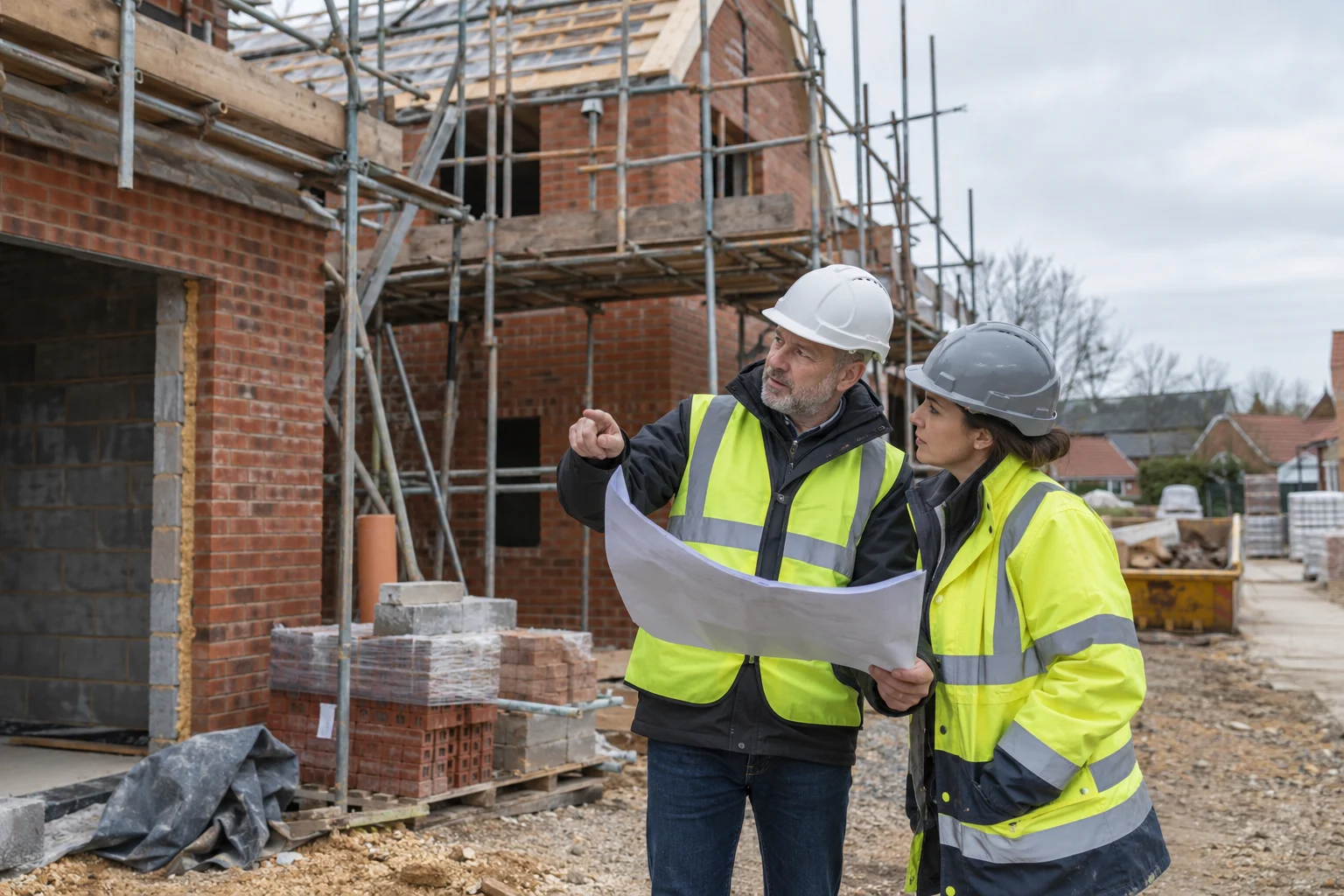
Preparation really is the difference between a quick, successful visit and one that drags on with repeat trips. Site managers can help by making sure all trades have signed off their work, checking that access points are clear, and confirming that any temporary heating or power needed for testing is available on the day.
It also helps to have someone on site who knows the build inside out, since the assessor may ask questions about specific details of the construction. Having this knowledge ready to hand speeds things along considerably and reduces the chance of confusion during the visit.
FAQs
How long does a typical site visit take?
Most site visits take between one and three hours, depending on the size of the property and the number of tests being carried out. Larger developments with multiple plots will naturally take longer, since each unit often needs to be tested separately.
What should we do before the assessor arrives?
Make sure the property is fully accessible, all relevant work is finished, and any obvious gaps or unsealed areas have been addressed. It also helps to have someone available who can answer questions about the build.
What happens if the property fails a test?
If a test result falls short of the target, the assessor will usually explain what needs to be corrected. In many cases, small fixes can be made quickly, and a follow-up test can be arranged without too much disruption to the schedule.
Do all new homes need a site visit?
Yes, in most cases, new homes need some form of testing to confirm they meet current building standards. If you are unsure what applies to your project, our SAP calculations FAQs page answers many of the common questions people have about this process.
Understanding what happens during a site visit takes away a lot of the uncertainty that comes with new build compliance. From the initial walkaround to the final testing and reporting, each stage exists to confirm that a property performs the way it was designed to. Getting this right protects homeowners, saves developers time, and keeps projects moving without unnecessary setbacks.
If you would like support preparing for an upcoming visit or want to check what your project needs, get in touch with the team at Ratio Seven, and we will help you plan the next step with confidence.