Renewable energy is something we hear about every day, but what does it actually mean for your home, your energy bills, and the paperwork behind your property? At Ratio Seven, we spend a lot of time looking at how solar panels, heat pumps, and other green technology affect the numbers that matter most to homeowners and builders across the UK. This article looks at the renewable energy play happening across the country right now, and why understanding it properly can save you money and stress.
What does renewable energy play actually mean for homeowners?
When people talk about the renewable energy play, they usually mean the growing shift towards clean power sources like solar, wind, and heat pumps replacing older, dirtier ways of heating and powering our homes. This isn’t just a government talking point. It shows up in real decisions, like whether to install solar panels on your roof, or whether your new heating system will pass building regulations.
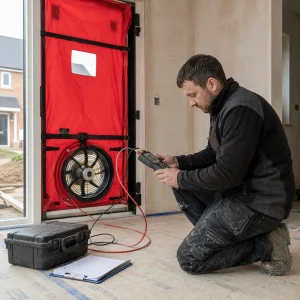
For most homeowners, the first time this becomes real is during a domestic energy assessment, which looks at how your property uses energy and where improvements could be made. These assessments are not just paperwork exercises. They shape mortgage decisions, rental listings, and even how much you might pay for energy each month.
We think it helps to see renewable energy not as a trend, but as a practical toolkit. Solar panels, battery storage, and air source heat pumps all do a job. They reduce reliance on gas and grid electricity, which in turn reduces bills and emissions. The challenge is making sure these systems are installed properly and recorded correctly, so you actually get credit for them when it counts.
The renewable energy role in energy transition for UK properties
The renewable energy role in energy transition is easiest to understand when you think about where our electricity used to come from compared to now. A decade ago, most UK homes ran almost entirely on gas and grid electricity generated from fossil fuels. Today, wind and solar make up a much larger share of the mix, and homes are expected to follow suit with their own systems.
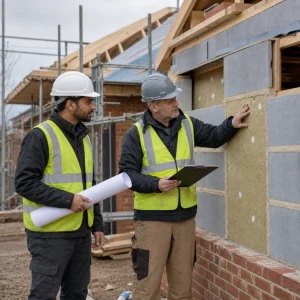
This shift matters hugely for anyone building or renovating, because building regulations increasingly expect new homes to include some form of renewable technology. It’s no longer just about ticking a box. Calculations like u-value assessments now work alongside renewable energy data to determine whether a property meets modern standards for heat loss and efficiency.
We often explain to clients that the renewable energy role in the energy transition isn’t just about swapping one power source for another. It’s about redesigning how a whole building performs, from its walls and windows through to its heating system. When these pieces work together properly, the results show up clearly in official reports and assessments, giving you proof that your property is doing what it should.
How SAP calculations capture renewable technology
SAP calculations are the standard method used across England, Wales, and Northern Ireland to measure how energy efficient a home is. These calculations look at everything from insulation to lighting, but one of the biggest factors these days is renewable technology. Solar panels, heat pumps, and battery systems can all significantly change the final SAP rating.
We’ve written in detail about the impact of renewable energy systems on SAP calculations, and the short version is this: the right renewable setup can push a property from a middling rating into a genuinely impressive one. That matters for new builds trying to meet planning conditions, but it also matters for existing homeowners thinking about resale value.
For new developments especially, SAP calculations are woven into every stage of design. Builders working on SAP calculations for eco homes often find that renewable technology choices made early on, such as which type of heat pump to fit or how many solar panels to install, have knock-on effects for insulation levels and window specifications later in the build. Getting the sequence right saves time and avoids expensive redesigns further down the line.
Heating systems and their part in the renewable energy play
Heating is often the single biggest energy user in a typical home, so it makes sense that it’s central to any discussion about the renewable energy play. Traditional gas boilers are being phased out in favour of heat pumps and other low carbon systems, but simply installing a heat pump doesn’t guarantee good results. The whole system needs to be set up properly.
We always recommend that homeowners and installers look closely at how to optimise a heating system for better SAP results, because small adjustments can make a big difference. Things like flow temperatures, radiator sizing, and controls all affect how efficiently a heat pump runs, and this feeds directly into the final energy rating of the property.
It’s worth remembering that heating systems don’t work in isolation. A well-insulated home with poor heating controls will still waste energy, and a great heat pump in a draughty house won’t perform as well as it should. This is why we always look at the whole picture rather than treating renewable heating as a standalone fix.
Natural light, ventilation, and renewable performance
Something that gets overlooked in conversations about renewable energy is how much natural light and ventilation contribute to overall performance. A home that makes good use of daylight needs less artificial lighting, and proper ventilation reduces the need for mechanical cooling or excessive heating adjustments.
SAP calculations take these factors seriously, and we’ve explored in detail how SAP calculations consider natural lighting and ventilation. Window placement, glazing type, and airflow design all feed into the final assessment, alongside any renewable technology fitted to the property. A home designed with these principles in mind often needs less renewable capacity to reach the same rating as a poorly designed one.
This is a good reminder that renewable energy doesn’t work alone. Good design choices around light and air reduce the total demand placed on solar panels or heat pumps, meaning the renewable systems you do install can work harder and last longer without being pushed beyond their limits.
Carbon reporting and property value tied to renewable choices
Beyond comfort and running costs, renewable energy choices increasingly show up in formal reporting and financial decisions. Businesses and larger property owners are now expected to track their emissions properly, and this is where a carbon emissions report becomes useful. These reports give a clear picture of where emissions come from and how renewable installations are helping to bring that figure down.
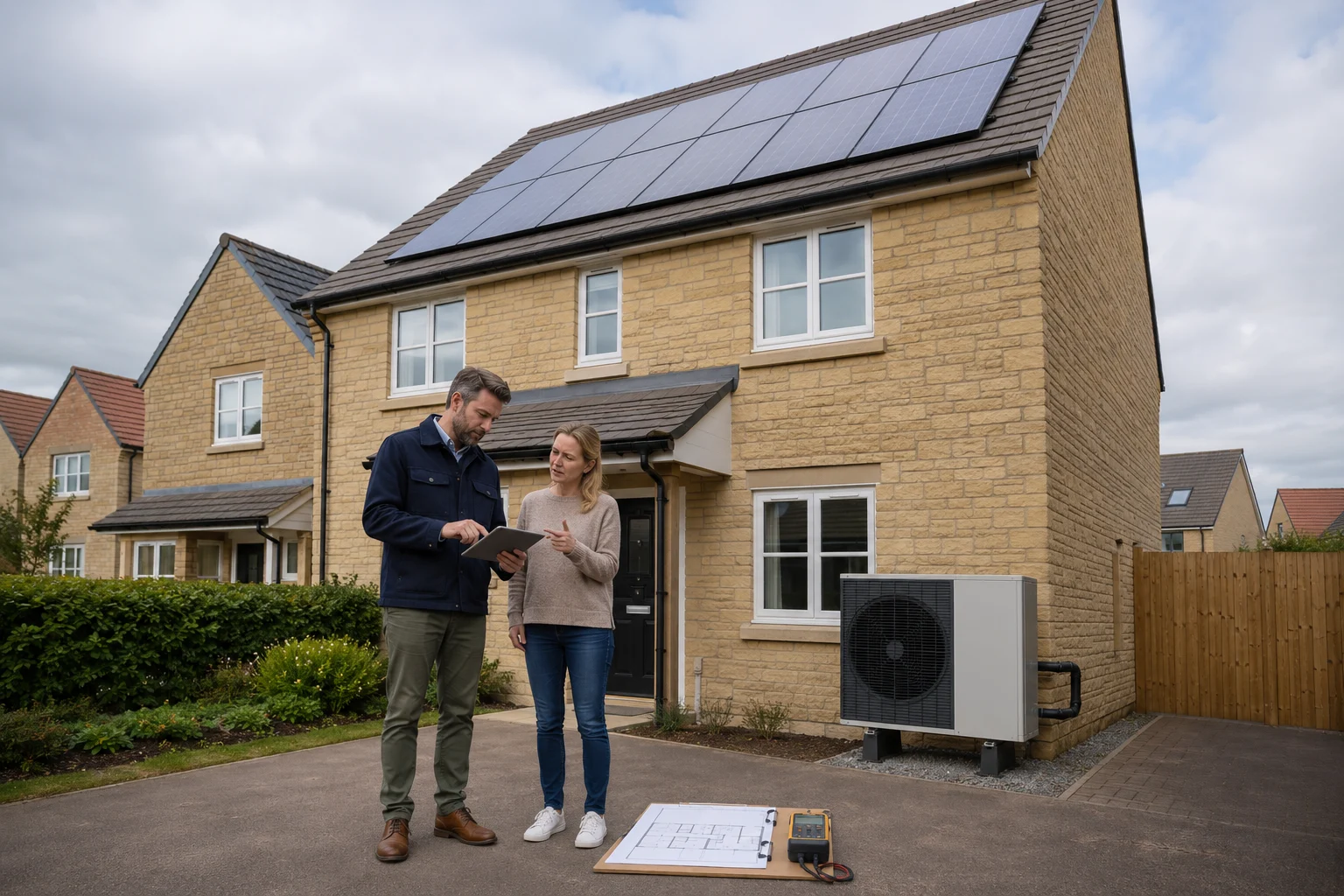
For individual homeowners, the connection between renewable technology and money is just as direct, but it shows up differently, through property value. Buyers and renters increasingly ask about running costs and energy ratings before they commit to anything. We’ve looked closely at how SAP calculations impact property valuation and marketability, and the pattern is clear: homes with strong ratings, often boosted by renewable technology, tend to sell faster and for better prices.
This matters whether you’re planning to stay in your home for decades or sell within the next few years. A good SAP rating, backed by properly installed renewable systems, is one of the few home improvements that pays you back twice, once through lower bills, and again through a stronger sale price.
FAQs
What renewable energy options work best for older homes?
Air source heat pumps and solar panels are usually the most practical choices for older properties, though insulation often needs attention first. Without decent insulation, even the best renewable system struggles to perform well, so it’s worth getting insulation levels checked before choosing equipment.
Does adding solar panels always improve a SAP rating?
In most cases, yes, though the actual improvement depends on panel size, orientation, and how the rest of the property performs. A south-facing roof with minimal shading will give better results than a smaller, shaded installation, so it’s worth getting proper advice before fitting panels.
How long does a renewable energy assessment usually take?
Most domestic assessments can be completed within a few hours, though larger or more complex properties may take longer. The assessor will look at insulation, heating, windows, and any renewable technology already fitted or planned.
Do renewable systems need to be registered anywhere?
Yes, most renewable installations need to be registered with the relevant certification scheme once fitted. This registration is often required for warranties, grants, and for the system to count properly towards your property’s energy rating.
Renewable energy is no longer a side conversation. It sits at the centre of how homes are built, rated, and valued across the UK, and understanding your options properly puts you in a stronger position whether you’re building, renovating, or simply trying to cut your bills. From heating systems to natural light, every choice adds up in the final assessment of a property.
If you’d like clear, practical guidance on how renewable technology could affect your property’s energy rating or value, get in touch with Ratio Seven and let’s talk through your options together.