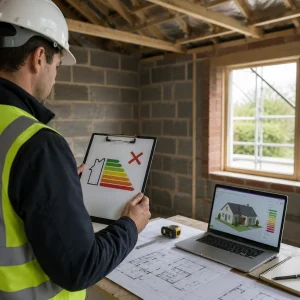
Spotted a problem once the drawings are finished? You can still improve a SAP rating after design, and it is often less painful than people expect. A result that falls short of the target does not mean your plans are dead. It means we need to find the right changes and test them in the model. At Ratio Seven, we help owners and developers do this regularly, starting with a clear look at the numbers in your SAP calculation.
Why you can still improve a SAP rating after design
A SAP assessment predicts how much energy a home will use and how much carbon it will give off. It compares your plans with a notional home of the same size and shape. If your Dwelling Emission Rate is higher than the Target Emission Rate, the design does not pass. These rules sit within Part L of the Building Regulations.
The good news is that the calculation is a model, and a model can be changed. We swap one input, run it again and see what happens to the result. Making that change on paper costs far less than making it on site with the walls already built.
The method behind all this is the Standard Assessment Procedure, which scores your fabric, heating, hot water, ventilation, lighting and renewables. If SAP is new to you, our beginners guide walks through the basics in plain English. And if you are wondering whether the whole exercise is worth it, we explain why you need SAP calculations for most new homes.
Practical ways to improve your SAP score
We always start with the changes that give the biggest gain for the least disruption. Here is the order we usually work through with clients.
- Insulation and U-values. Thicker insulation in the walls, roof and floor cuts heat loss. Better windows and doors help too. Small changes matter most when one element is much weaker than the rest.
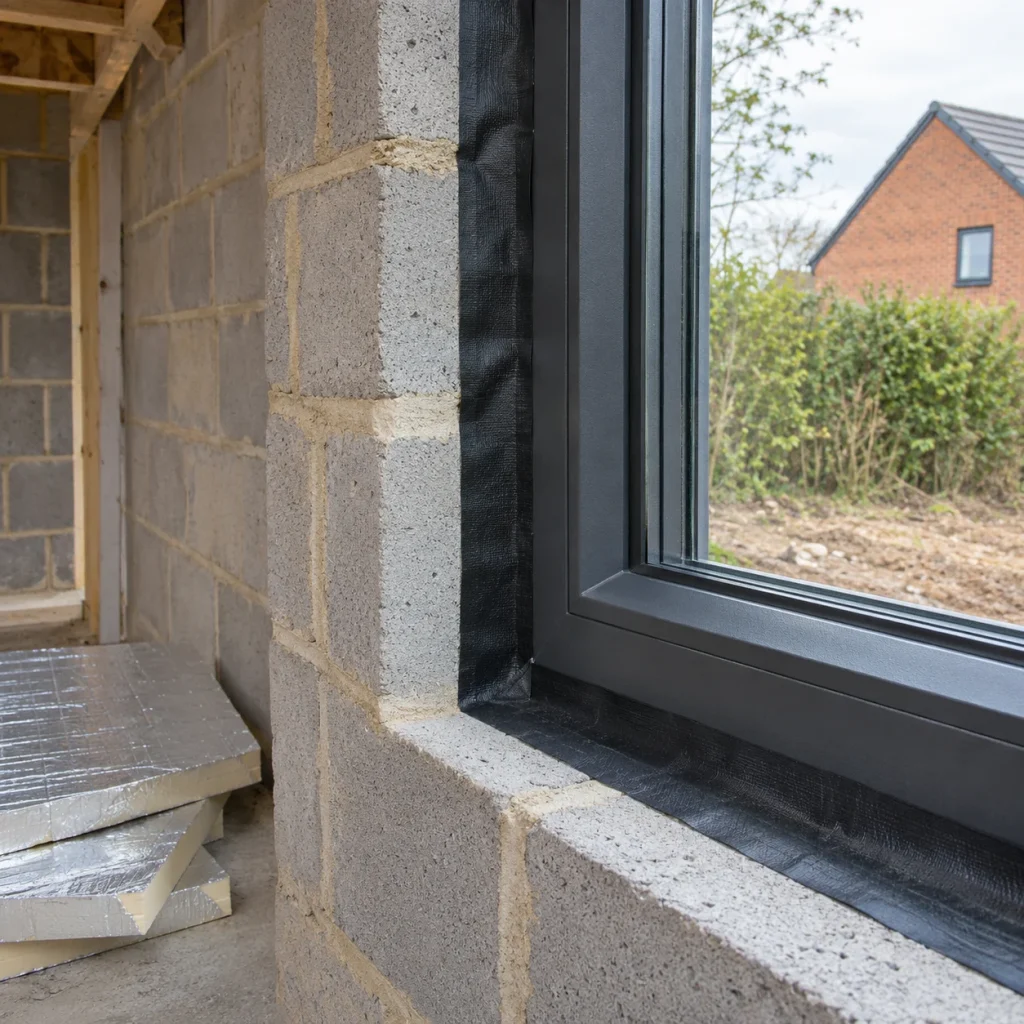
- Airtightness. The design stage model uses an assumed figure. Better sealing around openings, pipes, cables and loft hatches can justify a lower one. Be realistic, because the final air test will prove the real number.
- Thermal bridging. Junctions where walls meet floors, roofs and windows lose heat. Default figures in the model are cautious, so better details or calculated psi values can lift the result.
- Heating and hot water. A heat pump, better controls and a well-insulated cylinder all help. Low-flow taps and showers can cut hot water demand.
- Renewables. Solar panels can close a small gap quickly. They work best when the fabric is already decent, so treat them as a boost and not a rescue.
- Lighting. Low-energy lighting throughout the home is cheap and easy to add.
Glazing and ventilation deserve a look as well. Very large windows can raise heat loss and cause summer overheating, so a small change in size or specification can help on both fronts. Your ventilation system should also suit your airtightness target, because the two work together.
Check the details before you resubmit
Once you have chosen your changes, make sure they are real. The model must match what will actually be built, so send your assessor product data for every item you change. If a builder swaps a window, boiler or insulation board later, tell us before it is installed. A cheaper product can undo all your hard work at the as-built stage.
It also pays to weigh the cost of each option against the gain it gives. Sometimes a low-cost fix, such as improved controls and lighting, beats an expensive one. Our guide for homeowners and developers shows how the whole process fits together and what to ask your assessor. For projects like SAP calculations for new builds and extensions, we can also model several options side by side so you see the effect before you commit.
Still unsure about a point? Our SAP calculations FAQs answer many of the common worries.
FAQs
Can I change my design after planning approval?
Often you can make small changes, such as better insulation or a different heating system, without any problem. If a change alters how the building looks, such as window sizes, check with your planning officer first.
What is the quickest change to raise a SAP result?
It depends on the home, but the fastest gains usually come from better airtightness details, improved heating controls, low-energy lighting and solar panels. We test each option in the model so you can see which one works best for your plans.
Do I need to redo the calculation after making changes?
Yes. Every change must be entered into the model, and the result checked again. The as-built stage then uses the final air test result and the products actually installed, so keep your assessor updated as the build moves on.
How to improve a weak SAP result before you build
A weak result is a prompt to act, not a reason to panic. Look at the fabric, airtightness, thermal bridging, heating and renewables, test each change in the model, and keep the specification fixed once you have passed. Doing this early on paper saves money, time and stress later on site.
Ready to take the next step? Send your plans to Ratio Seven, and we will review your results, suggest the most practical changes and help you reach compliance with confidence.