For an industry that builds our communities and has an impact on our cities, you could argue we should have a surplus of talent. However, this is not the case and across the industry, we all seem to think it is someone else’s issue to solve. Companies leave it to industry institutes and vice versa.
These are skills the industry should not be prepared to lose easily.
Looking at the statistics, the industry is on track to lose 11 per cent of its workforce over the next decade due to retirement. This older generation workforce has immense talent that is sometimes difficult to teach, in part due to changes in school curriculums and apprenticeships. These are skills the industry should not be prepared to lose easily – it should be making a much greater effort to capture knowledge before it is lost.
This thinking needs to be implemented across building sites
Finding better ways to transfer knowledge from older to younger people will ensure we are training and passing on valuable skills across the generations. This thinking needs to be implemented across building sites as well as company training sessions.
As much as the industry also looks to attract talent, we need to make our industry more attractive to work in. This does not mean having sites with no dirt or mud on them. It means creating a culture-change on issues that affect our industry as a workplace, as well as normalising good practice across all our supply chains.
Normalising good practice on building site will make the working environment better for all of us.
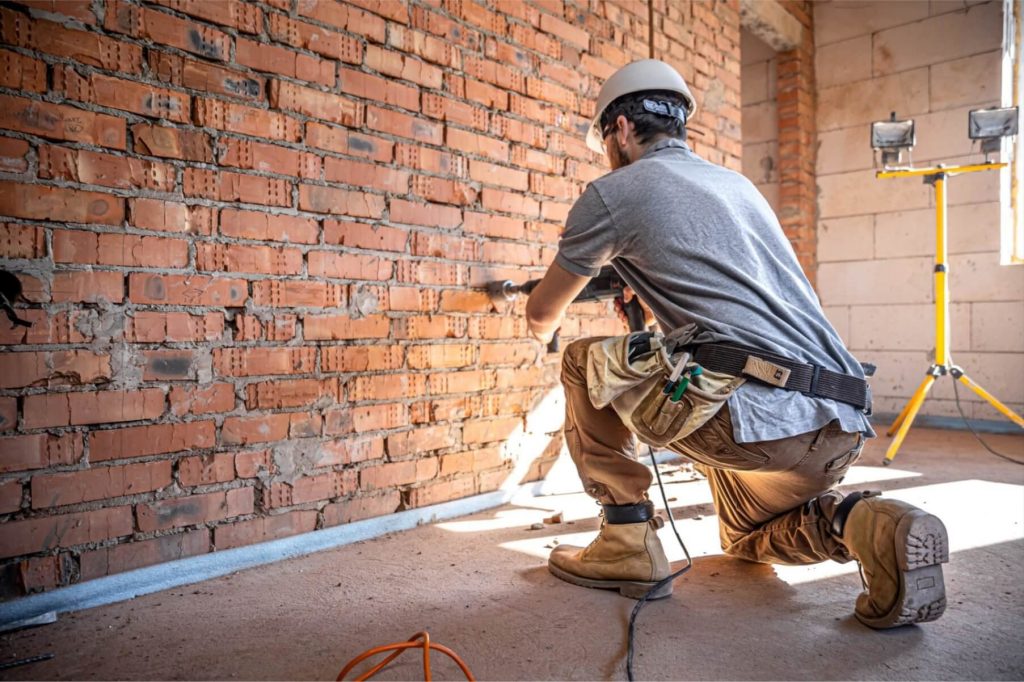
How often do you see a woman on site asking for the bathroom keys? How often do we see site operatives thinking it’s OK to ‘crack on’ with drilling outside normal working hours, due to poor planning? Normalising good practice on building site, during inductions as well as in the office space, will make the working environment better for all of us.
As an industry we have adapted well to the importance of health and safety. Organisations and industry leaders took that issue seriously, and we have seen a massive shift in attitudes. The same shift in thinking must be applied to the industry’s culture around gender, ethnicity and mental health.
A different pool of talent
Attracting talent also involves tapping into all the different sources of talent. The way the industry operates, at a fast pace and to tight deadlines, tends to narrow the options when bringing in people. Underrepresented groups, such as ethnic minorities and women, are left out of consideration and not given the opportunities, almost all the time. They are not in the close circles of the standard industry recruiters, and so the cycle continues.
Hiring organisations and their recruitment partners have rarely challenged each other, until recently. Now some companies have begun to review their lists of preferred suppliers, which are often outdated.
The system needs to evolve for both modern methods
Apprenticeships have served the industry well in the past, providing the skills the industry needs. However, the system needs to evolve for both modern methods of teaching and modern methods of construction. New and creative construction programmes at universities, workshops and on-campus training facilities, combined with skills centres for apprenticeships, would help the industry attract a more diverse range of talent from all over the education system.
Our industry has achieved great things. We can close the skills gap, but only if we are willing to try out fresh ideas.