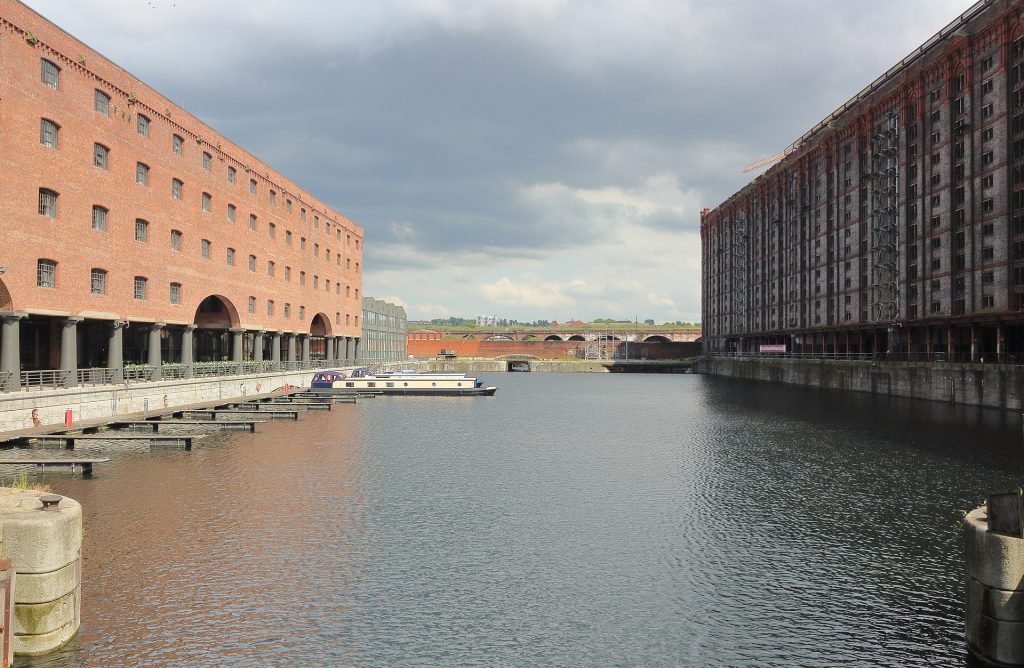
Contractors competing include Seddon, Anwyl Construction & Caddick Construction

Torus has been granted planning permission to construct 185 flats and 10 townhouses near to Liverpool's historic Stanley Dock complex.

Table of Contents

Torus will now select a builder from its contractor framework for the £30 million Lightbody Street makeover, with the building scheduled to begin next Spring.

The contractors competing for the contract include Seddon, Anwyl Construction, Lovell Partnerships, Caddick Construction, Eric Wright, and Vistry Partnerships North West.

Development granted for Liverpool's historic Stanley Dock

1, 2, and 3-bedroom flats, townhouses, and commercial space

Work will fully convert the derelict old industrial site on Lightbody Street, bringing a mix of 1, 2, and 3-bedroom flats, townhouses, and commercial space to the landmark position at the start of the Leeds to Liverpool canal.

Torus Developments’ Managing Director, Chris Bowen, expressed his delight at receiving planning permission for the Lightbody Street development and the opportunity to build residences that would contribute to the city’s distinctive history and scenery.

This development will dramatically alter the region

“This development will dramatically alter the region and help to build a flourishing community that everyone can enjoy – from residents to local companies and even visitors – Lightbody will have a tremendously beneficial influence on the city as a whole.”

Related Articles you may like

Ventilation Testing Part F

The aim of the Ventilation Testing Part F is to test the air flow measurements in new buildings. The test ensures that the ventilation systems have been properly configured. There are four types of test: Bulk, Intermittent extractor fan, and MHVR System. This article explains each of these in detail. Whether you’re looking to test a new build or an existing one, the Part F test can help you get started.

Read More »
What is the difference between airtightness testing and pressure testing?

Airtightness testing and pressure testing are crucial methodologies for assessing air leakage in buildings, with each offering distinct approaches and benefits. Pulse testing, a modern technique, operates at lower pressure levels with minimal disruption, making it suitable for existing buildings and quick assessments. Conversely, blower door testing, a more traditional method, uses higher pressure differentials to provide comprehensive data and locate specific leaks but can be more disruptive and time-consuming. While these testing methods are integral to enhancing building energy efficiency, Ratio Seven Limited, a small service-oriented company in Cheshire, operates in a different sector entirely and is currently navigating financial challenges.

Read More »