Energy rules in the UK have been shifting for years, and many homeowners, landlords, and developers are asking the same question: will energy rules become stricter in the near future? The short answer is yes, and the changes are likely to affect anyone involved in building, renting, or selling a property. In this article, we will walk through what is happening, why it matters, and what steps you can take to stay ahead of the changes.
Will energy rules become stricter for landlords and developers?
The government has been tightening building standards for a long time, and there is no sign of this slowing down. Targets around net zero, along with growing pressure to cut carbon emissions from homes, mean that new builds and rented properties are facing closer scrutiny than ever before. Local councils and national bodies are working together to push for better insulation, more efficient heating systems, and lower energy bills for tenants and homeowners alike.
For landlords, this means keeping a close eye on Ratio Seven and similar resources to understand what is expected of a property before it goes on the rental market. Properties that fail to meet the required standards could face restrictions on being let out at all, which is a serious concern for anyone relying on rental income.
Developers building new homes are also under pressure. Every new property must now demonstrate that it meets strict thermal performance and energy usage targets before it can be sold or occupied. This is where accurate SAP calculations come into play, since they form the backbone of proving a home meets the required standard.
Minimum energy efficiency standards landlords need to understand
The rules around minimum energy efficiency standards landlords must follow have already changed several times over the past decade, and further tightening is expected. At the moment, rental properties need to meet a certain EPC rating before they can legally be let. But there is ongoing discussion about raising this bar even higher, which would mean many older properties need upgrades before they can be rented out again.
This matters because a poor EPC rating is not just a paperwork issue. It reflects real problems such as draughty windows, poor insulation, and outdated heating systems that cost tenants money every single month. Landlords who ignore this risk fines, legal trouble, and difficulty finding tenants willing to pay for a property with high running costs.
Getting ahead of these changes means understanding your property’s current rating and what improvements would make the biggest difference. Simple steps like loft insulation, draught proofing, and upgrading old boilers can shift a property from a poor rating to a much stronger one, often for a reasonable cost.
Why SAP calculations sit at the centre of new build compliance
Every new home built in England and Wales must go through SAP calculations before construction even begins. These calculations predict how much energy a home will use for heating, hot water, lighting, and ventilation, and they are used to prove the design meets Part L of the Building Regulations. Getting this wrong at the design stage can cause huge headaches later, including expensive redesigns or delays to a project’s completion date.
Our guide on SAP calculations and UK residential compliance breaks down exactly how this process works and why it cannot be treated as an afterthought. The calculation looks at wall construction, window specifications, heating systems, and even the orientation of the building, since all of these factors affect how much energy the finished home will use.
For developers working on multiple plots, small mistakes can multiply quickly. A miscalculation on one house type could mean every single property built to that design fails to meet the required standard, leading to costly changes across an entire site. This is why working with specialists who understand the full Part L building regulations from the outset makes such a difference to how smoothly a project runs.
How Part L building regulations connect to the bigger picture
Part L covers the conservation of fuel and power in buildings, and it has been updated several times in recent years to push new homes towards lower carbon output. Each update has raised the bar, meaning homes built today must perform significantly better than those built even five years ago. This trend is expected to continue, with further tightening likely as the country works towards its long-term climate commitments.
For developers, this means every project needs to factor in compliance testing from the earliest possible stage. Leaving it until the final weeks of a build often causes problems that are far more expensive to fix than they would have been if spotted earlier. Our article on new build compliance testing and avoiding delays explains how early planning saves both time and money.
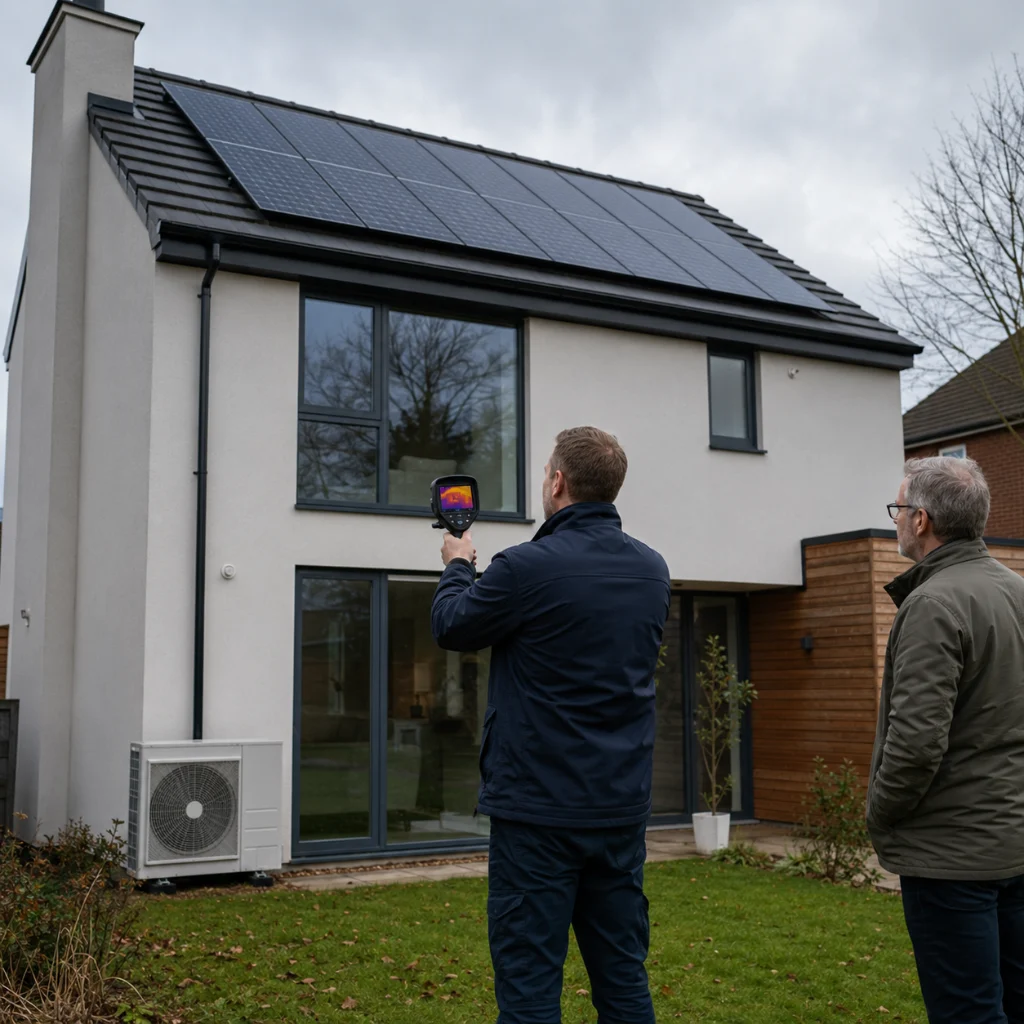
Air testing is another part of this picture that often gets overlooked. A home can look perfect on paper, but if air is leaking through gaps around windows, doors, or service penetrations, the actual performance will fall short of what was predicted. Our nationwide air testing service helps developers catch these issues before they become a problem at the certification stage.

Practical steps homeowners and developers can take now
Waiting for rules to change before taking action rarely works out well. Homeowners thinking about selling or renting out a property should get a clear picture of its current energy performance now, rather than waiting until new rules force their hand. This gives more time to plan improvements without feeling rushed or facing unexpected costs at the last minute.
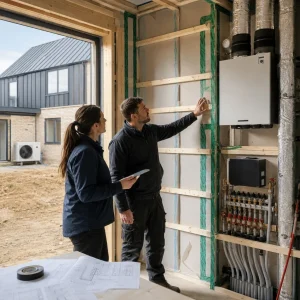
Developers should treat energy performance as part of the design process from day one, rather than something to check once the building is finished. This means involving assessors early, choosing materials and systems with performance in mind, and testing throughout construction rather than only at the end. Our guide for homeowners and developers walks through this process in plain language, making it easier to understand what needs to happen and when.
Small changes add up. Better loft insulation, improved glazing, more efficient heating controls, and airtight construction methods all contribute to a stronger overall result. None of these changes is complicated on their own, but they need to be planned properly rather than added as an afterthought once problems appear.
Staying ahead of future changes
Rules rarely stay still for long in this area, and property owners who plan tend to avoid the stress that comes with sudden changes. Keeping a property well maintained, insulated, and fitted with modern heating systems means less scrambling when new standards are introduced. This applies equally to landlords managing several properties and homeowners looking after just one home.
Working with people who understand the details of building regulations, SAP calculations, and air testing means fewer surprises down the line. Many property owners find that a small amount of planning now saves a considerable amount of stress and cost later, particularly as further tightening of the rules seems likely in the coming years.
FAQs
What happens if a rental property does not meet minimum energy efficiency standards
A property that fails to meet the required standard may not legally be let to new tenants, and landlords could face fines from local authorities. In some cases, existing tenancies may also be affected if improvements are not made within a set timeframe.
How often are SAP calculations required during a new build project
SAP calculations are typically needed at the design stage to prove compliance before construction, and again once the building is complete to confirm the finished home matches what was originally predicted.
Can older properties be upgraded to meet stricter energy rules
Yes, most older properties can be improved through steps such as better insulation, updated heating systems, and draught proofing. The exact improvements needed depend on the age, construction type, and current condition of the property.
Where can I find more detail on how SAP calculations work
Our SAP calculations FAQs page answers common questions in plain language, covering everything from what the calculation involves to how long the process usually takes.
Energy rules are only likely to tighten further, and getting ahead of these changes puts homeowners, landlords, and developers in a far stronger position. Whether you are planning a new build, managing rental properties, or simply want to understand what the future holds, taking action now makes the whole process easier.
Get in touch with Ratio Seven today and let us help you stay ahead of the changes rather than reacting to them once it is too late.