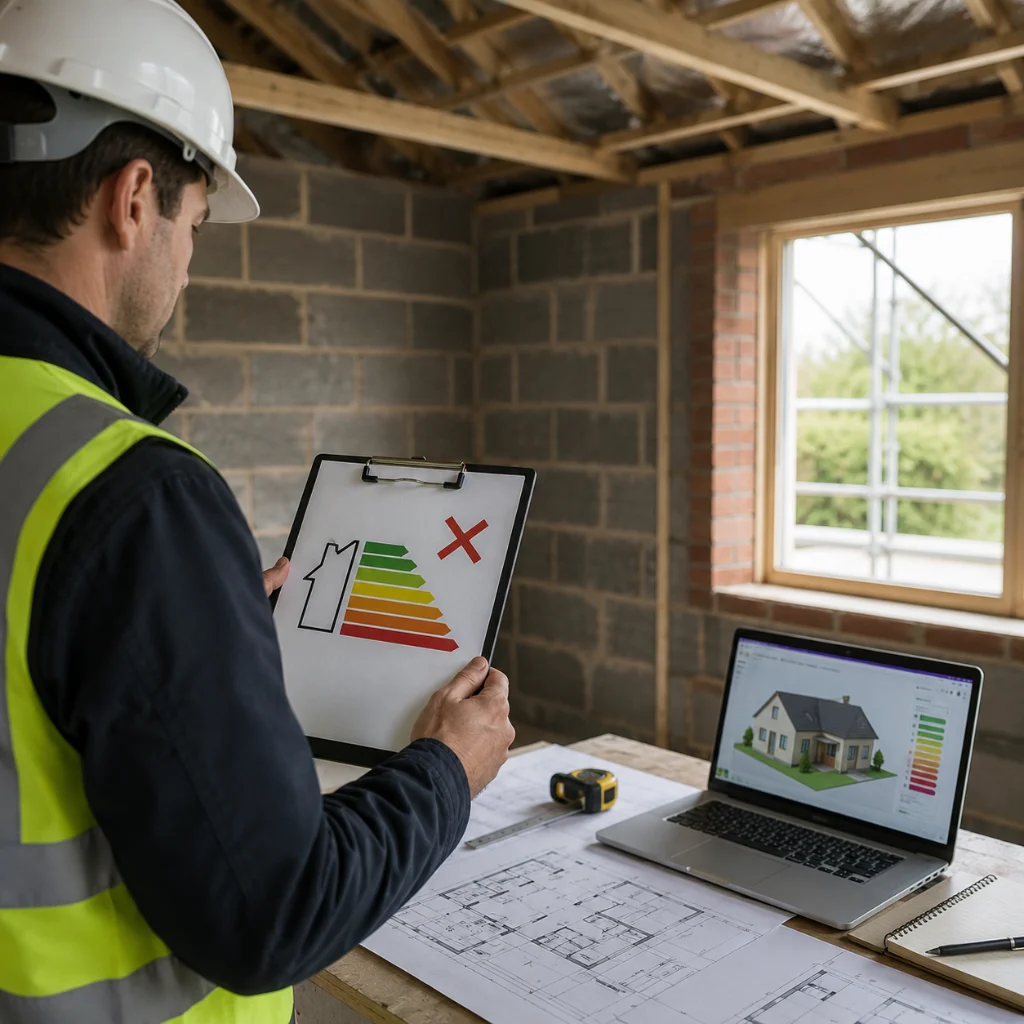
The Importance of SAP Calculations for Building Regulations Compliance
When constructing a new building, it is essential to adhere to the set building regulations. These guidelines ensure structures are not only safe and healthy for residents but also energy-efficient. This article will delve into SAP Calculations, a critical component in assessing energy performance in residential buildings, thus playing an essential role in achieving building regulations compliance. Understanding this process and its implications can make the difference between a successful construction project and one that falls short of regulatory standards.
What Are SAP Calculations?
SAP stands for Standard Assessment Procedure, and it is the methodology used in the UK to measure how energy-efficient homes are. Developing a clear understanding of SAP calculations can help builders and developers ensure their new residential projects meet the necessary standards for energy performance. The primary aim is to maintain a standard across all residential buildings, ensuring each home is assessed on a similar scale for its energy consumption and potential efficiency. By tracking factors such as heating, insulation, and energy consumption, these calculations provide a rating that reflects the overall energy efficiency of a building. An understanding of the SAP process is crucial for achieving compliance with building regulations, as detailed on the Ratio Seven website’s comprehensive SAP Calculations Guide for Homeowners and Developers.
Role of SAP in Building Regulations Compliance
The results of SAP calculations are pivotal in determining whether a building meets the necessary building regulations. In the construction of new residential properties, it’s crucial to achieve a certain SAP rating to pass building regulations and get the green light for construction projects. Developing a clear understanding of the why behind the need for SAP calculations can be explored further on the Ratio Seven platform.
The implications of failing to meet the required SAP standards are significant. Buildings that fall short of energy efficiency requirements may need to undergo modifications to improve their SAP rating, which can lead to unexpected project delays and financial challenges. Thus, achieving the correct SAP rating is not only about compliance but also about avoiding these negative impacts.
Failing Building Regulations Due to SAP
When a project fails to comply with building regulations based on its SAP rating, it can be due to several potential issues. For example, poor design choices or inadequate insulation could prevent a structure from achieving the necessary level of energy efficiency. These failures can have serious repercussions, including project delays, added costs for revisions, and possibly a complete halt until compliance can be demonstrated.
Understanding the frequently asked questions within this context provides a deeper look at some common misunderstandings and errors, as detailed in the SAP Calculations FAQs on Ratio Seven.
Common pitfalls in the design phase might include overlooking the importance of high-quality insulation materials, underestimating heating needs given the house’s positioning, or failing to integrate modern energy-saving technologies. Recognising these issues early on is crucial to avoid the strain of adjusting plans and can save time and resources in the long run.
Steps to Improve SAP Ratings
Improving a building’s SAP rating often involves practical measures such as upgrading insulation and installing more efficient heating systems. By focusing on improved materials and systems, it’s possible to enhance the overall energy efficiency significantly. Working early and continuously with energy assessors during the planning and construction phases is invaluable for achieving a satisfactory SAP rating.
Some manufacturers now provide innovative building materials and technologies aiming to advance energy conservation, promoting better energy efficiency. Partial insight into these methodologies can help developers align their construction methods to meet and exceed current expectations and standards.
We at Ratio Seven recommend exploring best practices for improving SAP calculations, as we regularly engage with those in the know and reflect on industry shifts. Our insights are laid out comprehensively in SAP Calculations Explained: A Beginner’s Guide.
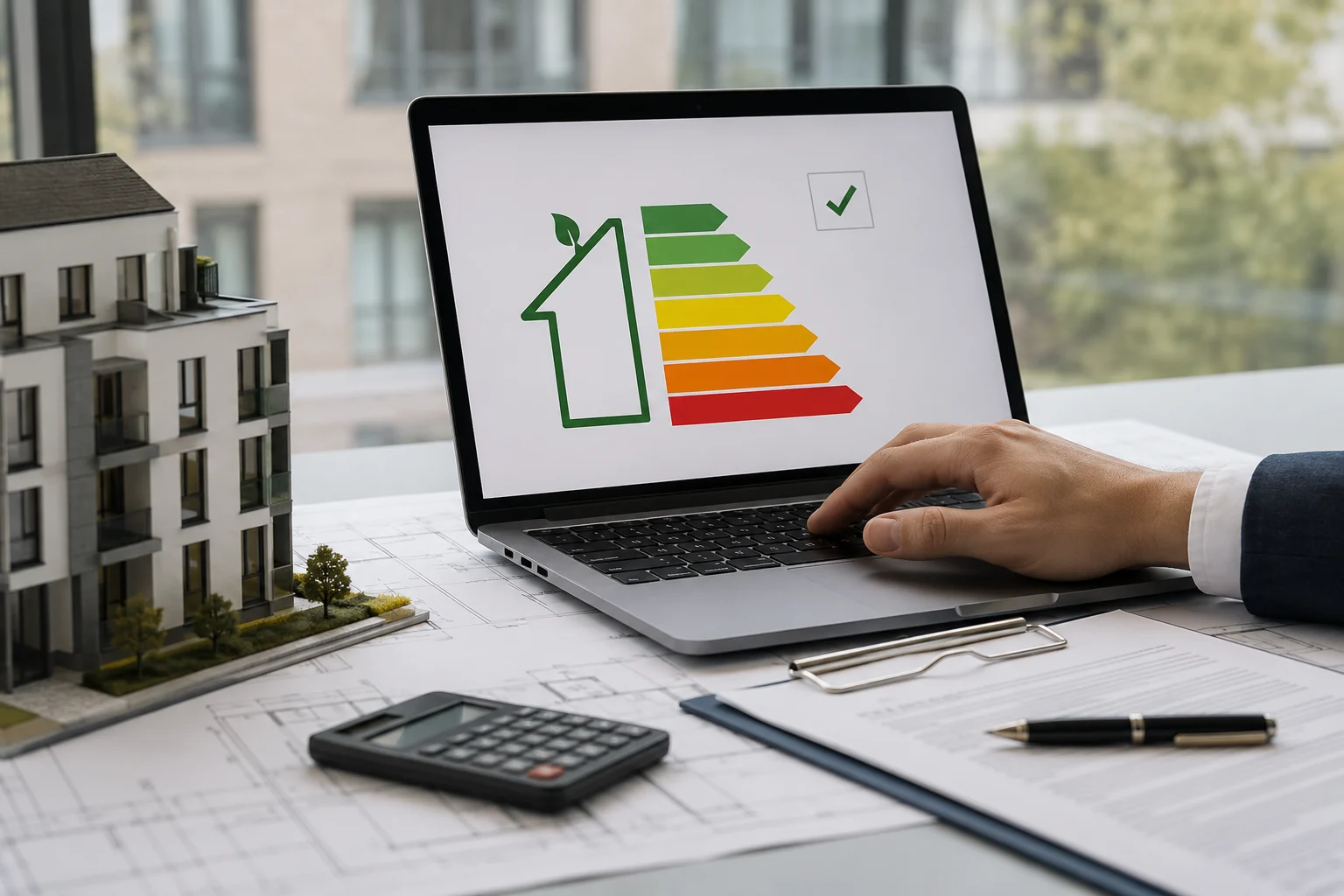
Building Regulations Compliance Through Effective SAP Calculations
Achieving compliance with building regulations demands meticulous planning and exact execution, but SAP calculations offer valuable guidance. Going beyond mere compliance, a superior SAP rating brings further advantages: reduced energy costs for homeowners, increased property value, and a positive environmental impact.
By ensuring that the building is equipped with the right materials and systems, those involved in a construction project can foster a construction environment focused on sustainability and future efficiency. A comprehensive outline of SAP Calculations in UK Residential Compliance ensures our readers understand how critical sustainability is in today’s developing world.
Benefits of Energy-Efficient Designs
Adopting energy-efficient designs is vital not only for meeting SAP requirements but also for future-proofing buildings. This not only has positive implications for the environment by reducing the carbon footprint but also translates to financial savings for end-users. Energy-efficient buildings are less expensive to heat and cool over a structure’s lifetime, providing security to potential buyers or tenants that energy needs have been thoughtfully considered.
Consider a benchmark home that perfectly meets SAP calculation considerations. This home efficiently manages energy consumption and maximises the comfort features provided to residents. For more detail on maintaining these standards, Ratio Seven offers a detailed overview of SAP Calculations.
In the landscape of modern construction, SAP calculations are not just a legal requirement but an opportunity to enhance building value and sustainability. Effective planning, thorough knowledge, and application of best practices in energy efficiency can ensure compliance and boost the overall build quality.
By engaging early and developing precise action around SAP ratings, construction projects can be efficiently brought to life with the added advantage of meeting and exceeding the environmental and regulatory expectations. For builders and developers who seek to stay ahead of the regulatory curve, these strategies are not a constraint but a guide, an essential pathway towards smarter and more responsible building practices. Stay informed and utilise our resources at Ratio Seven to ensure a comprehensive approach to compliance and energy efficiency in your projects.
In summary, successful navigation of SAP calculations can play an essential role in reducing emissions, meeting regulatory requirements, and fostering innovation in building design. This investment in efficient and careful planning provides both economic benefits and ecological rewards. To discover the latest practices on the UK’s Part L Building Regulations compliance, explore these insightful resources on the Ratio Seven platform.