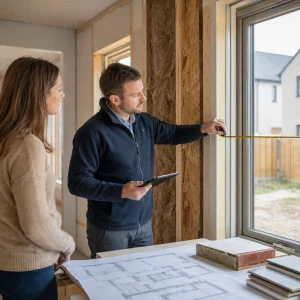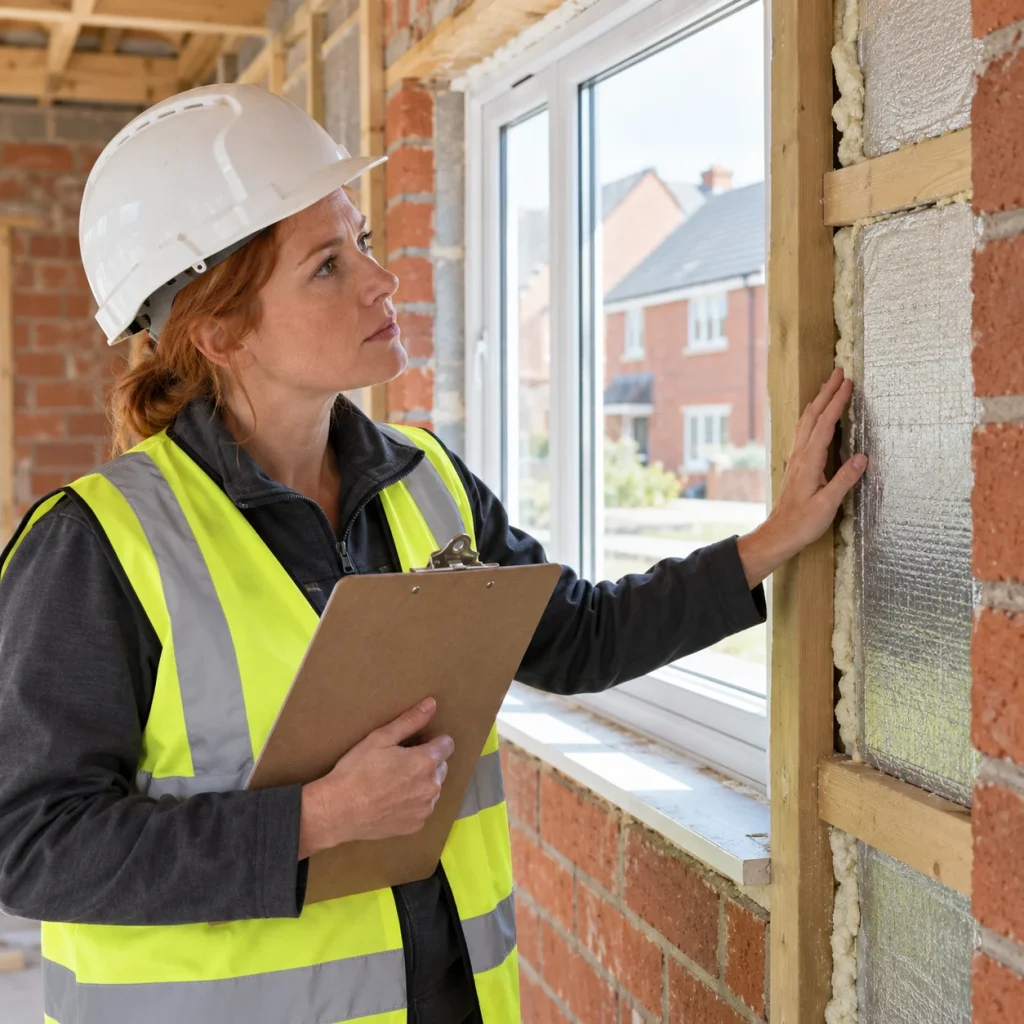
If you are wondering what happens if your SAP score is too low, the short answer is that your project can stall until the problem is fixed. A new home has to show that it meets energy and carbon rules before it can move on to sign-off and sale. At Ratio Seven, we see this worry often, and the good news is that a weak result is usually fixable. Let us walk through what it means, why it happens and what to do next.
What happens if your SAP score is too low: the main risks
The Standard Assessment Procedure is the government method for measuring how much energy a home is likely to use. Your assessor puts the design details into approved software, and it produces a result. That result is then compared with targets for the size and shape of your home. If the predicted carbon emissions of your design come out higher than the target, the calculation fails.
A fail does not mean a fine on the spot, but it does set off a chain of problems:
- No sign-off. Building control needs a passing calculation, so your approval can be held back.
- Delays. The design has to be reviewed and changed, and then the calculation is run again.
- Higher costs. Changes made after work starts on site cost far more than changes made on paper.
- Planning trouble. Some planning conditions refer to carbon and energy savings, so a poor result can cause issues there too.
- Sale problems. The Energy Performance Certificate is created from the calculation, and you need it to sell or let the home.
This is exactly why you need SAP calculations on a new home. They stop you building something that does not meet the rules. Those rules come from Part L of the Building Regulations, which sets the energy and carbon standards for dwellings.
Where a weak result usually comes from
A low result rarely has one single cause. The calculation looks at the whole home, so small weak points add up. It checks the building materials, insulation, heating system, hot water, lighting, ventilation, renewable technology and how much air leaks through the structure. Heat escaping at joints, known as thermal bridging, also counts against you.
Some common culprits are thin insulation, a heating system with poor controls, old style light fittings and party walls that are only partly insulated. Another is skipping air tests when building several homes to the same design. In that case, a penalty figure is added to the average air test result, which can push a close pass into a fail.
It also helps to remember that a higher score means lower running costs for the people who live in the home. So a better result is not only about passing. It is about building a home that is cheaper to heat and kinder to the environment.
If these terms are new to you, our beginners guide to SAP calculations explains them step by step. For a wider view that covers self-builders and developers alike, the guide for homeowners and developers is a good next read.
How to improve your SAP score
The best time to think about how to improve your SAP score is before you build. Changing a drawing is cheap. Changing a finished wall is not. Here are the steps we suggest:
- Calculate at design stage. Run the numbers before work starts on site, so any fixes are made on paper.
- Put the fabric first. Good insulation and well-fitted windows and doors reduce the energy the home needs before you add any extras.
- Insulate party walls. Fully insulated and sealed party walls stop heat passing between homes, which matters most in terraces and flats.
- Upgrade heating controls. Zoned controls and weather compensation help the heating system use less energy.
- Use low-energy lighting. Fitting LED lights throughout is a quick and cheap gain.
- Add renewables if you are close to the line. Solar panels or wastewater heat recovery can be the final push to a pass.
- Air test every home. This can avoid the penalty figure that applies when homes are not tested.
Just as important is the person doing the calculation. A good assessor does more than enter numbers. They look for the cheapest route to a pass and tell you what to change. Our SAP calculations service is built around that kind of advice, and our page on new builds and extensions shows how it applies to different types of projects.
FAQs
What happens if your SAP score is too low at sign-off?
Building control will not accept the calculation, so the home cannot be signed off as compliant. Your assessor will need to find which parts of the design are causing the problem, suggest changes and run the calculation again. Only once it passes can the paperwork, including the Energy Performance Certificate, move forward.
Can a failed SAP calculation be fixed after building starts?
Yes, but it is usually more expensive and slower. Swapping a heating control or a light fitting is easy, while changing insulation that is already in a wall is not. If you want more answers to common worries, our SAP calculations FAQs cover many of them in plain English.
Does a higher SAP score make a home easier to sell?
A higher score points to lower running costs, and many buyers and tenants like the sound of a cheaper home to heat. Every new home also needs an Energy Performance Certificate, which comes from the calculation. A strong result gives your buyers one less thing to worry about.
SAP Score Too Low? Get Your Project Back on Track with Ratio Seven
Knowing what happens if your SAP score is too low takes much of the fear out of it. A fail can mean delays, extra cost and a stalled sign-off, but it is rarely the end of the road. Most weak results come from a handful of fixable details, and the earlier you spot them, the cheaper they are to put right.
Ready to make sure your home passes the first time? Talk to Ratio Seven today, and we will help you check your design, find the quickest improvements and get your project moving again.