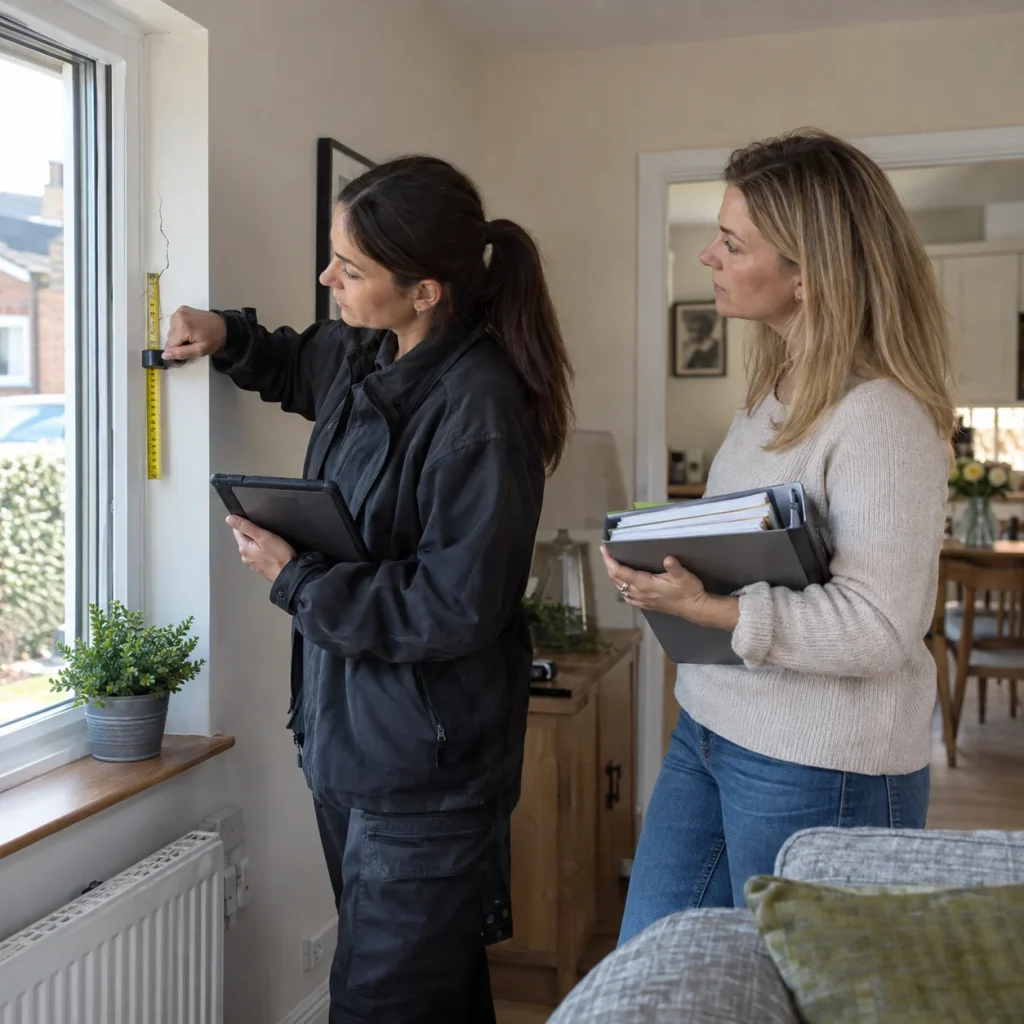
When something goes wrong with your home, whether that’s a fire, a flood, or a structural issue, an insurance assessor will need to look closely at what happened and why. Having the right paperwork ready before they arrive can make the process faster and much less stressful. This is especially true for newer homes, where building compliance records often play a bigger part in the assessment than people expect.
What assessors need and why it matters
Assessors are trained to build a clear picture of your property, its history, and any factors that might have contributed to a claim. That means they will ask for more than just photos of the damage. They want to understand how your home was built, what materials were used, and whether it meets current standards. This is where documents like an SAP calculation can become surprisingly important, particularly for newer builds where energy performance and construction details are closely tied together.
Insurers use this information to determine whether a claim is straightforward or whether wider issues are at play, such as poor ventilation, damp problems linked to insulation, or construction faults that weren’t picked up at the time of building. The more evidence you can hand over early on, the fewer delays you’ll face later.
Information required for insurance assessors on new builds
New build homes come with a particular set of paperwork that assessors often ask for, and it catches a lot of homeowners off guard. Alongside the obvious things like purchase contracts and warranty documents, assessors may want to see evidence that the property met building regulations at the point of completion. This is where guidance on Part L building regulations becomes genuinely useful, since it explains what standards your home was supposed to meet around energy efficiency and heat loss.
If your builder or developer carried out airtightness testing, those results are also worth digging out. Poor airtightness can be linked to damp, mould, and even structural wear over time, so assessors often want to rule this out as a contributing factor. Our page on air testing carried out nationwide explains how this testing works and why it forms such a key part of the compliance picture for new properties.
Assessors need clear evidence, not guesswork
One thing we hear a lot from homeowners is that they assumed their builder or developer had kept hold of all the compliance paperwork, only to find out later that records were incomplete or missing entirely. This puts people in a difficult position when a claim comes in, because assessors need clear evidence rather than a verbal explanation of what was probably done.
If you’re a homeowner or a developer trying to piece together what documents you should have on file, our guide to SAP calculations for homeowners and developers breaks down exactly what should exist for most properties built in the last decade or so. It covers the different stages where SAP calculations are produced, from design through to as-built assessments, and why each version matters for different reasons.
Delays are one of the biggest frustrations in any assessment process, and they usually happen because paperwork can’t be located quickly. We’ve written about this in detail in our piece on avoiding delays with new build compliance testing, which looks at the common gaps that hold up both sales and insurance processes alike.
Getting your documents in order before you need them
The easiest way to avoid a scramble later is to gather your paperwork now, long before an assessor ever needs to see it. Start with your building completion certificate, any energy performance certificate issued for the property, and copies of any compliance testing carried out during construction. If you had extension work done, or if you’ve changed the heating system since moving in, keep records of that too, since assessors will often ask whether any changes have been made to the original build.
It also helps to understand the wider rules your property is meant to follow. Our overview of SAP calculations and UK residential compliance gives a straightforward explanation of how these rules apply across England, Wales, Scotland, and Northern Ireland, and why compliance looks slightly different depending on where you live. Having this background knowledge means you’ll understand exactly why an assessor is asking for certain documents, rather than feeling like you’re being asked to jump through hoops for no reason.

FAQs
What documents should I have ready before an assessor visits?
Try to have your building completion certificate, energy performance certificate, and any construction compliance reports ready before the visit. If your home is a new build, it also helps to have your SAP calculation paperwork and any air testing results to hand, since assessors often ask about these directly.
Why do assessors ask about energy performance on older claims?
Energy performance is closely linked to how a building was constructed, including insulation, ventilation, and heating systems. If a claim involves damp, mould, or heat loss, assessors will often want to check whether the original build met the standards expected at the time, which is why SAP paperwork can come up even years after a property was finished.
What happens if I can’t find my original compliance paperwork?
This happens more often than people think, especially with older properties or homes that have changed hands a few times. In these cases, it’s worth contacting your local building control department or the original developer, as they may hold copies. A specialist can also help you work out what evidence might still be available or how to demonstrate compliance another way.
Do I need a fresh SAP calculation for an insurance claim?
Not always, but it depends on the nature of the claim and how old the original calculation is. If your assessor has specific concerns about energy performance or construction standards, a new assessment might be recommended to give a clear and current picture of the property.
Understanding what assessors need doesn’t have to feel overwhelming once you know where to look and what to gather. Whether you’re dealing with an insurance claim, preparing for a sale, or simply want peace of mind about your home’s compliance history, having the right paperwork close at hand makes every step smoother. Our frequently asked questions on SAP calculations are a great place to start if you still have gaps in your knowledge.
If you’d like support pulling together compliance evidence, arranging testing, or simply want a clearer picture of what your property needs, get in touch with the team at Ratio Seven through our homepage, and we’ll point you towards the right next step.