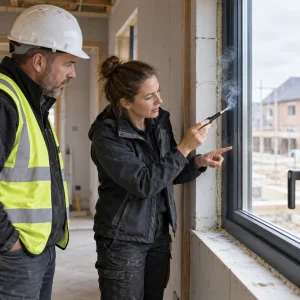
Understanding SAP Calculations for Building Projects
When you’re embarking on a building project, be it a new home or a large development, ensuring energy efficiency is essential. One tool that stands central to this ambition is the SAP, or Standard Assessment Procedure, calculation. These calculations play a fundamental role in confirming that your build meets required energy efficiency and environmental standards, aligning with both national and regional regulations.
Though SAP Calculations might sound like a technical procedure that concerns architects and engineers, it’s crucial to realise its broader impact on the design and construction stages of your project. More than just a regulatory step, it influences key decisions that culminate in a sustainable and energy-efficient building.
Why SAP Calculations Are Essential
The importance of SAP Calculations cannot be overstated. At their core, they assess the design’s energy performance and guide any necessary adjustments to ensure compliance with building regulations and energy standards. These calculations contribute significantly to shaping various elements of the building, such as heating, insulation, lighting, and ventilation.
Deploying SAP Calculations early in the project is vital. This proactive approach doesn’t merely ensure the building meets legal requirements: it paves the way for informed design choices, leading to potential energy savings and enhanced long-term sustainability.
For a deeper dive into SAP Calculations, our guide provides comprehensive insights into their application for both homeowners and developers.
Planning SAP Calculations Early
One crucial piece of advice when it comes to SAP Calculations is to book them early. By integrating these assessments into the planning stage, there’s greater flexibility to adapt designs in response to any findings. This avoids costly redesigns and unplanned delays down the road. Moreover, early booking provides ample time to make informed decisions and adjustments, facilitating a streamlined construction phase.
Unlike reactive processes that handle necessity at the end, those who incorporate SAP services at the outset enjoy a seamless transition from design to execution. Early SAP evaluations empower you to address potential issues proactively, circumventing the challenges of integrating corrections after significant stages of construction.
Learn more about the advantages of early booking in this SAP Calculations guide.
Integrating SAP Calculations Throughout the Process
The most successful building projects see SAP Calculations integrated throughout the entire process, from conceptual design to final execution. This ongoing consultation with energy assessors allows you to align all aspects of the project efficiently. For instance, early feedback can inform design choices, saving time and reducing unnecessary expenditures while capitalising on opportunities for sustainability.
Incorporating SAP Calculations from the beginning ensures that these assessments are naturally intertwined with architectural plans. This synergy results in more coherent design decisions, potentially leading to lower construction costs and improved energy performance upon completion.
Check the complete guide on SAP for a detailed walkthrough on how this integration benefits building projects.
Seeking Guidance and Maintaining Flexibility
An essential aspect of the SAP Calculation process is the guidance provided by assessors. Establishing this relationship early equips you with the flexibility to alter plans based on preliminary SAP results. Such adaptability is critical in navigating any emerging requirements or unexpected challenges without disrupting the broader timeline.
Working closely with your SAP assessor ensures your project remains agile, adapting smoothly to any needed shifts. This proactive strategy minimises the risk of non-compliance and contributes to a more efficient build process geared towards achieving the desired energy performance.
Explore more about maintaining flexibility with SAP assessments in our FAQ section.
Real-World Benefits of Early SAP Calculations
The impact of early SAP integration is clearly observed in numerous successful projects. When buildings consider energy efficiency from the blueprint stage, the results are evident: a streamlined construction phase, reduced operational costs, and increased property value upon completion.
Projects that have embraced this approach see reduced reliance on energy-hungry solutions and report enhanced user satisfaction from an occupancy standpoint. By strategically mapping out energy efficiency before laying the first brick, these projects provide a blueprint for how future builds can be executed efficiently and sustainably.
Energy Performance Certificates and Building Efficiency
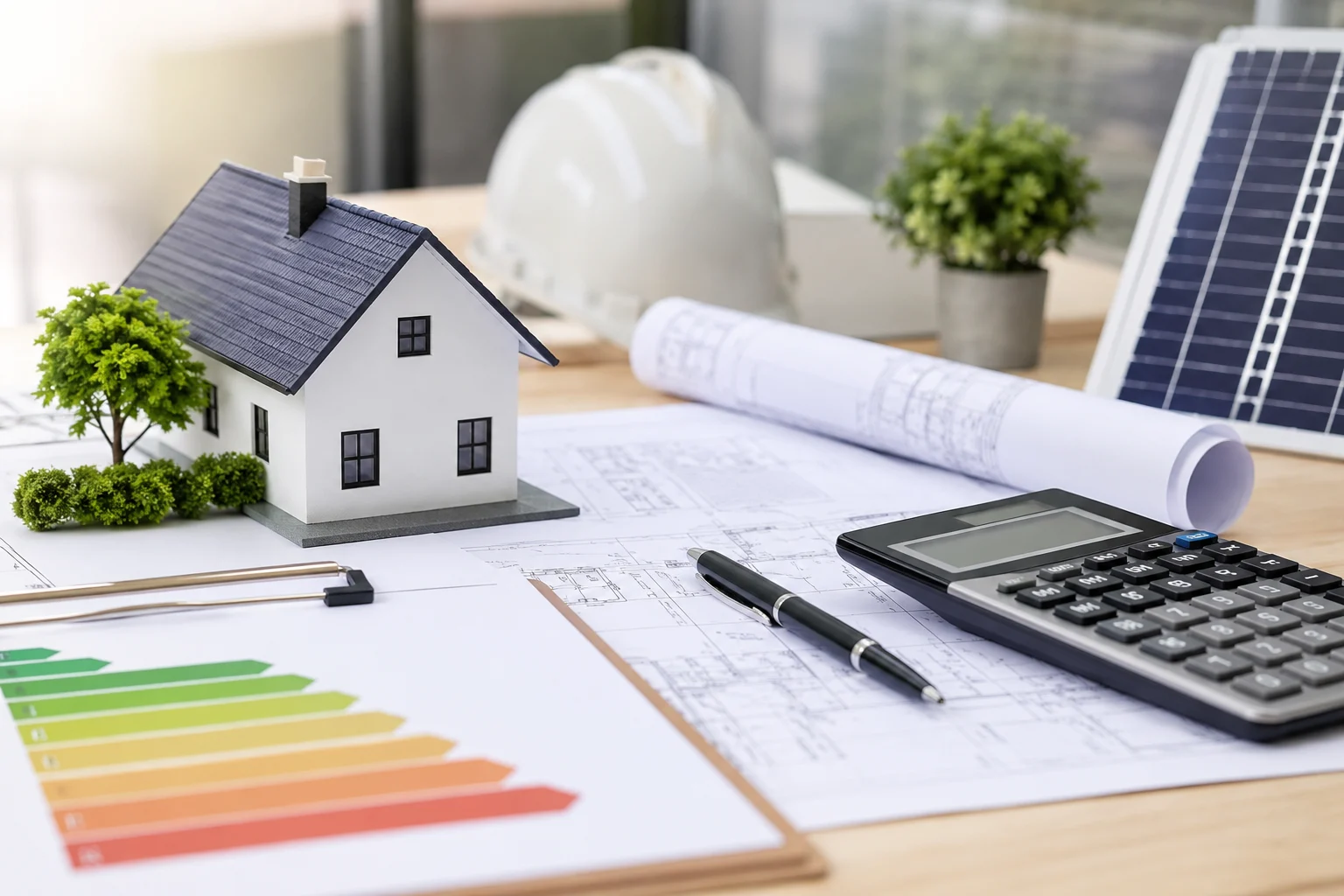
Part of understanding SAP Calculations is recognising their role in obtaining energy performance certificates. Issued upon the completion of a building, these certificates indicate the energy efficiency of the construction and showcase where improvements can be made.
Energy performance certificates serve as both a marker of compliance and a baseline for future environmental efforts. They guide long-term energy management for owners and investors, reinforcing the wisdom of early SAP Calculations in ensuring top-tier performance.
For more on the implications of SAP on energy performance certificates, read through our detailed content.
Case Studies and Evidence
Exploring past projects helps illuminate the practical benefits of early SAP Calculations. Numerous builds have effectively utilised these assessments to achieve regulatory compliance without the added stress of last-minute adjustments.
Projects that engage SAP services early have a track record of enjoying fewer delays and fewer legal hurdles, illustrating how proper planning optimises both the build process and results. These case studies serve as a testament to the lifecycle benefits accrued through diligent planning and integration of SAP assessments from the onset.
FAQs
As you delve into SAP Calculations, questions will naturally arise. How frequently should assessments be updated? What specific areas of a building project are most affected? These common queries are addressed comprehensively in our FAQs section, offering clarity and guidance as you navigate this essential compliance and efficiency tool.
Book a SAP Calculations Early for a Smoother, More Energy-Efficient Build
Engaging with SAP Calculations early in your project is not simply about ticking regulatory boxes but about enriching and enhancing the fabric of your build. As Ratio Seven, we know the difference this proactive step can make in achieving environmental compliance and designing a sustainable, future-ready building.
Whether you’re a homeowner looking to ensure that your new abode is energy efficient or a developer aiming for premium energy performance certificates, knowing the stakes of SAP Calculations will keep you ahead of the game. Every efficient build begins with informed, thorough planning, making SAP a key tool in your project arsenal. Planning early, integrating seamlessly, staying flexible, and maintaining communication are the hallmarks of successful building projects today.
Consider how SAP can enhance your next build and make the move towards early booking; it’s a decision that will resonate through the entire lifecycle of your construction endeavour.