What Is National Home Energy Rating

The National Home Energy Rating Scheme ( NHER ) is both a UK accreditation scheme for energy assessors and a rating scale for the energy efficiency of housing.

Table of Contents

The NHER was owned and operated by National Energy Services (NES). Until 2011, NES was a trading subsidiary of the National Energy Foundation, an independent charity set up in 1988 to promote energy conservation and renewable energy, which launched the NHER scheme in 1991.

UK accreditation scheme for energy assessors and a rating scale for the energy efficiency of housing

In September 2016, NES transferred ownership of the National Home Energy Rating Scheme to Elmhurst Energy another independent accreditation scheme.

The NHER runs an accreditation scheme for energy assessors to produce the following:

  • Energy Performance Certificates for existing dwellings, using RDSAP
  • Energy Performance Certificates for new build dwellings, using SAP
  • Energy Performance Certificates for non-domestic buildings dwellings, using SBEM
  • Display Energy Certificates for public buildings, using DECs

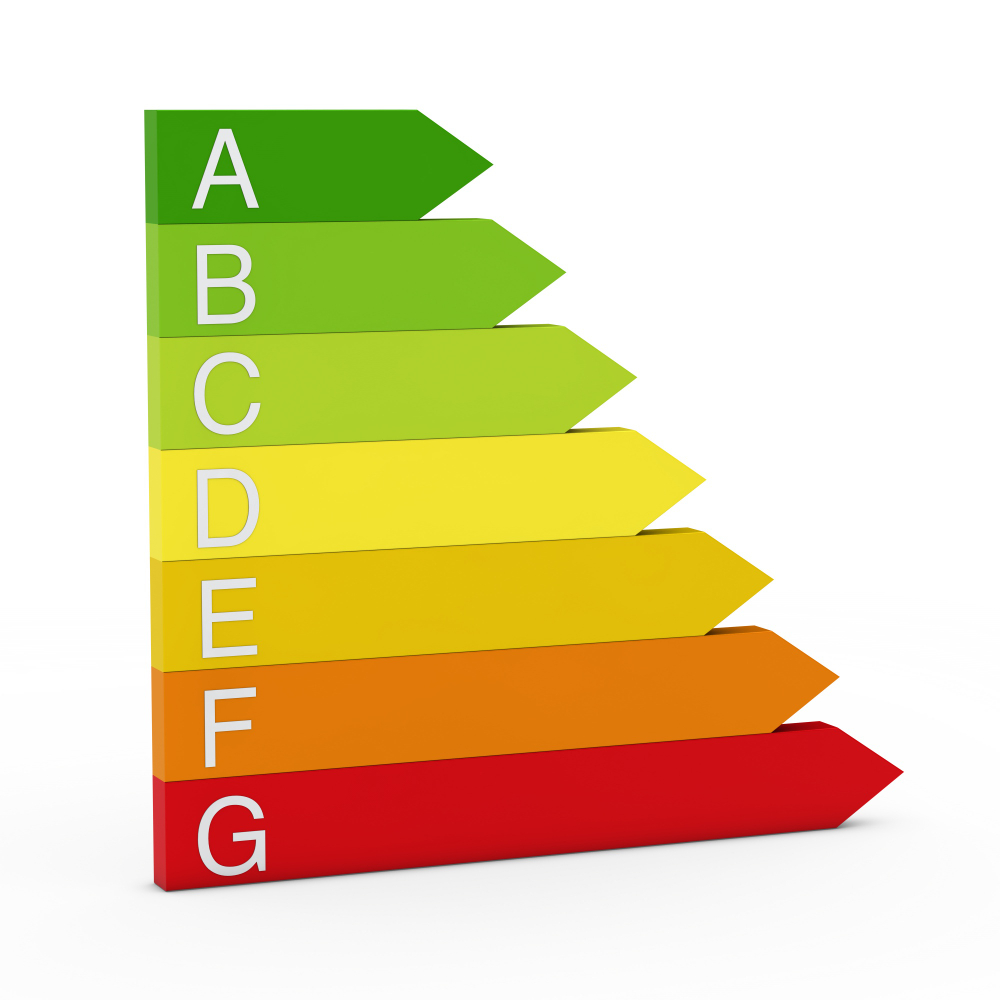
The NHER scale for new build dwellings runs from 0 to 20, with 20 being best. It uses different criteria than the Standard Assessment Procedure (SAP) rating. The NHER rating takes into account the local environment and the effect it has on the building’s energy rating. The NHER calculates the costs of space and water heating but adds cooking, lights and appliances to give a comprehensive picture of energy usage in the home.

An average dwelling in England would currently score between 4.5 and 5.5 on the NHER scale. A gas-heated masonry semi meeting current United Kingdom Part L1 Building Regulations would score approximately NHER 10. A dwelling with a National Home Energy Rating rating 20 achieves zero CO2 emissions along with zero net running costs.
Related Articles you may like

The Role of Airtightness in Smart Home Technology Integration
Air Permeability Testing: Preparing Your Site for Success

To ensure your building achieves the desired energy efficiency and ventilation standards, thorough preparation for air permeability testing is essential. By completing all structural work, sealing unintended openings such as gaps around pipes and cracks in building materials, installing temporary seals on features like chimney stacks and ventilation ducts, and ensuring all ventilation systems are properly installed and operational, you can significantly improve the accuracy of your results. Additionally, preparing internal spaces by wedging open interior doors and filling drainage traps with water is critical. Avoid common mistakes, such as leaving structural openings unattended, to ensure successful testing. Choose Ratio Seven for air permeability testing services, and take a step closer to maximum energy efficiency and comfort.

Read More »
Air Testing Luton
Why You Need Air Testing For New Builds

Since 2006, all new domestic and non-domestic buildings must undergo airtightness testing to reduce CO2 emissions and energy costs.

Conducting an air tightness test involves attaching blower door testing equipment to an exterior opening in order to pressurise the building and measure pressure differences that can identify problem areas within it.

Read More »