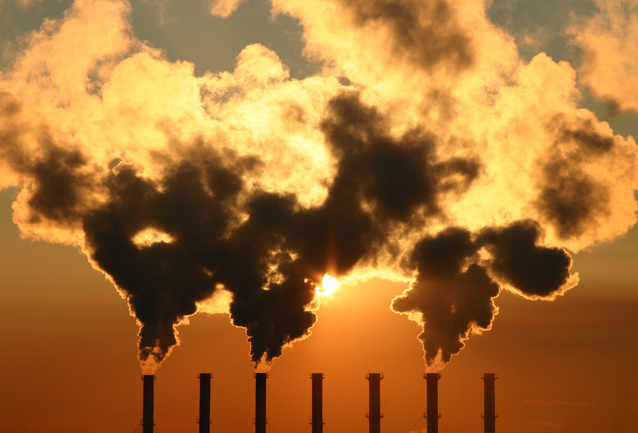
70,000 scientific papers demonstrate air pollution is affecting our health

Air pollution may be damaging every organ and virtually every cell in the human body, according to a comprehensive new global review.

Table of Contents

The air pollution research shows head-to-toe harm, from heart and lung disease to diabetes and dementia.

From liver problems and bladder cancer to brittle bones and damaged skin. Fertility, foetuses and children are also affected by toxic air, the review found.

The systemic damage is the result of pollutants causing inflammation, that then floods through the body and ultrafine particles. These are carried around the body by the bloodstream.

Air pollution is a “public health emergency”, according to the World Health Organization. With more than 90% of the global population enduring toxic outdoor air.

Making air pollution a bigger killer than tobacco smoking.

New analysis indicates 8.8m early deaths each year, double earlier estimates. Making air pollution a bigger killer than tobacco smoking.

But the impact of different pollutants on many ailments remains to be established, suggesting well-known heart and lung damage is only “the tip of the iceberg”.

The comprehensive analysis finds harm from head to toe, including dementia, heart and lung disease, fertility problems and reduced intelligence

Toxic air effects

“Air pollution can harm acutely, as well as chronically. This is potentially affecting every organ in the body.”, conclude the scientists from the Forum of International Respiratory Societies.

In the two review papers, published in the journal Chest. “Ultrafine particles pass through the lungs, are readily picked up by cells. This is then carried via the bloodstream to expose virtually all cells in the body.”

At the University of Illinois at Chicago Prof Dean Schraufnagel, who led the reviews, said: “I wouldn’t be surprised if almost every organ was affected. If something is missing it is probably because there was no research yet.”

The review represents “very strong science”, said Dr Maria Neira, WHO director of public and environmental health. “It adds to the very heavy evidence we have already. There are more than 70,000 scientific papers to demonstrate that air pollution is affecting our health.”

She said she expected even more impacts of air pollution to be shown by future research. “Issues like Parkinson’s or autism, for which there is some evidence but maybe not the very strong linkages, that evidence is coming now.”

Read the full article at The Guardian

Related Articles you may like

Air Permeability Strategies for Passive Solar Design

In the UK, passive solar design is gaining traction as a sustainable and energy-efficient building strategy. Air permeability in passive solar buildings plays a crucial role in ensuring optimal performance. Tight control of air permeability is essential to minimise heat loss and maximise energy gains from solar radiation. Key strategies to ensure air permeability include meticulous sealing of joints, high-quality insulation, and the use of air barriers. Employing advanced materials and construction techniques can further enhance airtightness, contributing to the overall thermal efficiency of passive solar designs. Effective air permeability strategies thus significantly enhance the benefits of passive solar architecture in the UK.

Read More »
10 Tips for a Successful Building Regulations Inspection

To ensure a successful building regulations inspection, it is crucial to take several proactive measures. Start by providing up-to-date checklists and ensuring that inspections are booked in advance and conducted at key construction stages. Verify that work aligns with approved plans, focusing on critical areas like structural integrity, safety measures, and essential systems such as electrical, plumbing, and HVAC. Additionally, maintain quality assurance throughout the project, and obtain all necessary certificates and documentation to secure the final completion certificate, ensuring that your building project meets all relevant standards and regulations.

Read More »