Contractors competing include Seddon, Anwyl Construction & Caddick Construction

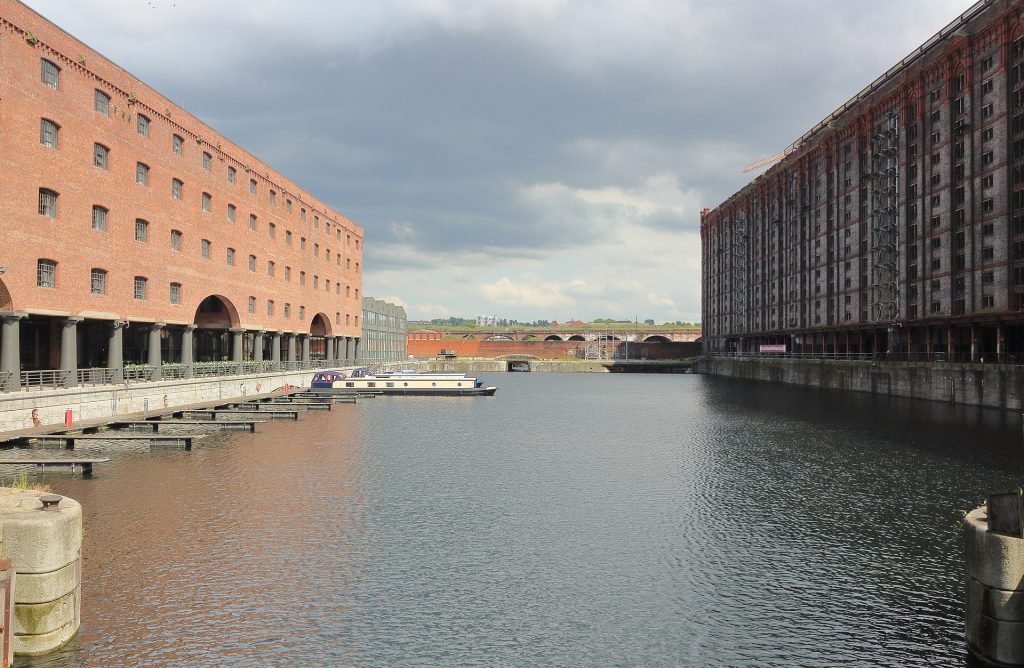
Torus has been granted planning permission to construct 185 flats and 10 townhouses near to Liverpool's historic Stanley Dock complex.

Table of Contents

Torus will now select a builder from its contractor framework for the £30 million Lightbody Street makeover, with the building scheduled to begin next Spring.

The contractors competing for the contract include Seddon, Anwyl Construction, Lovell Partnerships, Caddick Construction, Eric Wright, and Vistry Partnerships North West.

Development granted for Liverpool's historic Stanley Dock

1, 2, and 3-bedroom flats, townhouses, and commercial space

Work will fully convert the derelict old industrial site on Lightbody Street, bringing a mix of 1, 2, and 3-bedroom flats, townhouses, and commercial space to the landmark position at the start of the Leeds to Liverpool canal.

Torus Developments’ Managing Director, Chris Bowen, expressed his delight at receiving planning permission for the Lightbody Street development and the opportunity to build residences that would contribute to the city’s distinctive history and scenery.

This development will dramatically alter the region

“This development will dramatically alter the region and help to build a flourishing community that everyone can enjoy – from residents to local companies and even visitors – Lightbody will have a tremendously beneficial influence on the city as a whole.”

Related Articles you may like

Curtain Walls System
Curtain Walls & Building Regulations

A curtain wall is an exterior covering that covers windows and other transparent surfaces. The curtain wall’s materials include steel, wood, and fabric. These materials have different thermal conductivity, so the thermal break between the aluminum and the glass must be suitable for the temperature difference between them. A true thermal break is a minimum of 1/4 inch thick, while polyester reinforced nylon or poured and debridged polyurethane is up to 1 inch thick. The insulation layer between the window and the curtain wall should be insulated to avoid heat transfer.

Read More »
The Role of Airtightness in Reducing Operational Carbon Emissions

Understanding the Impact of Airtightness on Reducing Operational Carbon Emissions in Buildings

Airtightness plays a pivotal role in reducing operational carbon emissions, particularly within the UK’s commitment to sustainable building practices. By enhancing airtightness, buildings can significantly diminish heat loss, curtail energy consumption, and lower carbon emissions. This reduction not only aligns with stringent UK building regulations but also promotes long-term affordability and energy efficiency. Implementing robust airtightness measures can thus serve as a crucial strategy in the UK’s efforts to combat climate change, representing a fundamental component in the nation’s pursuit of a low-carbon future.

Read More »
Get EPC Assessments That Fit Your Home and Needs

We care about helping you get the most out of your property, and that starts with understanding how it uses energy. An Energy Performance Certificate (EPC) shows how your home or building scores, from A to G, and gives real advice to help you improve. Whether you’re selling, renting or building, we make sure your EPC is done properly by trained assessors who know what to look for, things like insulation, heating and lighting. We also explain everything clearly, so you’re not left guessing. If you’re making changes or building from scratch, we can do SAP calculations too, just give us a shout.

Read More »