TP Wiki

How does airtightness testing help in achieving building certifications?
Wiki

How does airtightness testing help in achieving building certifications?

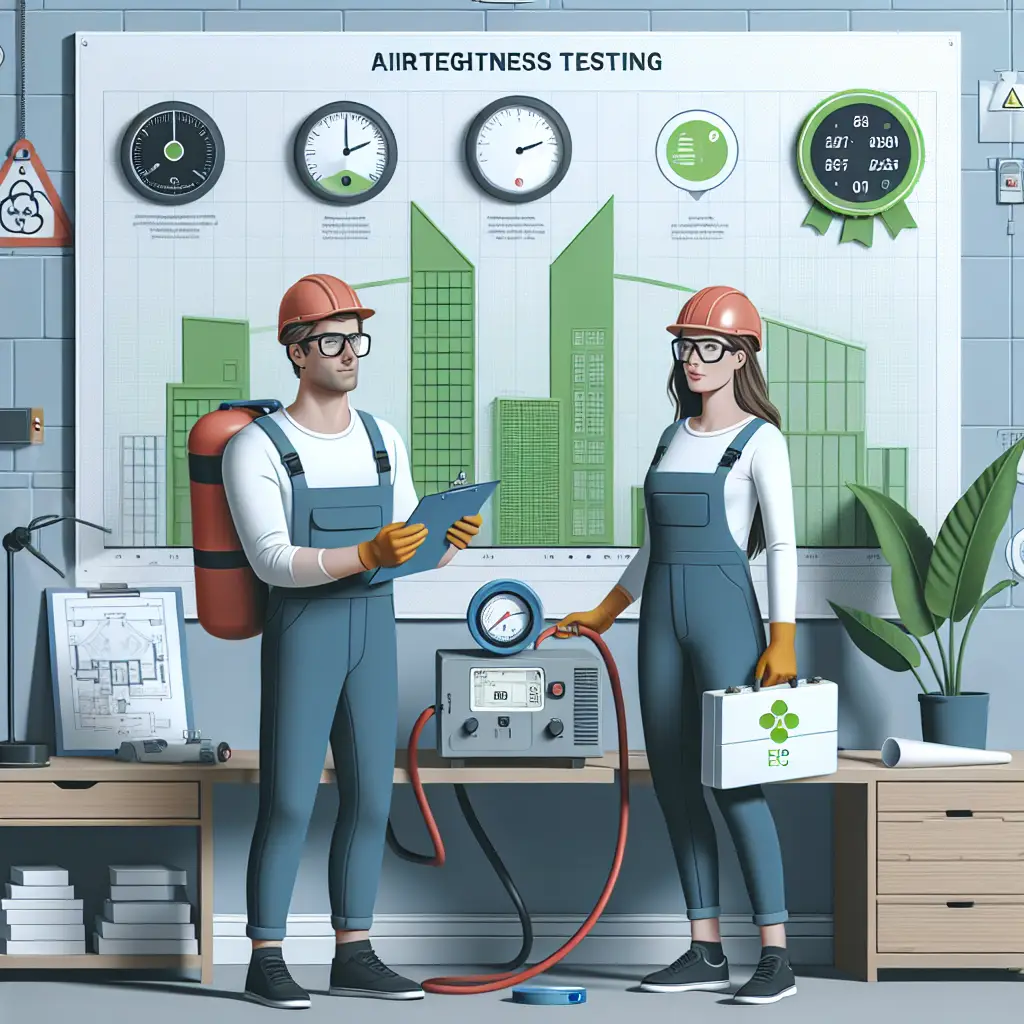
Airtightness testing is essential in the pursuit of various building certifications by ensuring that structures meet designated standards for energy efficiency, indoor air quality, and overall performance. This testing, typically conducted using methods such as blower door tests (e.g., ASTM E779, ASTM E1827), helps identify air leaks that could account for up to 30% of a building’s energy usage, thereby supporting compliance with standards like the National Building Code of Canada. Certifications such as LEED, WELL, and Passive House all incorporate airtightness as a crucial criterion in their frameworks, emphasising both the reduction of energy consumption and the enhancement of indoor air quality. Professionals are trained through specialised programmes to ensure accurate testing, aligning with industry standards like ISO 9972, which further reinforces the reliability and consistency needed to maintain these building certifications.


Read More »
How do SAP Calculations consider the building's form factor?
Wiki

How do SAP Calculations consider the building’s form factor?

SAP (Standard Assessment Procedure) calculations, mandated under Part L of the UK Building Regulations, do not directly quantify a building’s form factor but inherently consider its influence through various elements. These calculations rely heavily on the thermal elements, such as walls, floors, and roofs, assessing their U-values to determine energy efficiency, while also involving detailed modeling of the building’s volume and envelope area, which subtly accounts for its form. Factors like thermal bridging at junctions, the orientation and proportion of glazing, and the building’s airtightness further reflect the impact of design and layout on energy performance. Thus, SAP calculations ensure that a building’s form and design adhere to energy efficiency standards by evaluating its overall thermal performance, heating demand, and emission levels.

Read More »
SAP Calculations vs. SBEM: Understanding the Differences
Wiki

SAP Calculations vs. SBEM: Understanding the Differences

SAP and SBEM calculations are integral to evaluating the energy performance of buildings across the UK, each catering to distinct types of structures. SAP is dedicated to domestic dwellings, offering a detailed assessment that encompasses factors like insulation, heating, and construction materials, thereby ensuring accurate reflection of energy efficiency and carbon emissions. Conversely, SBEM is tailored for non-domestic buildings, employing a streamlined approach to determine energy consumption and carbon emissions, essential for compliance with Part L of the Building Regulations and generating Energy Performance Certificates (EPCs). By distinguishing between these calculation methods, building professionals can make informed decisions to enhance energy efficiency and adhere to regulatory standards.

Read More »
What documentation do I receive after an airtightness test?
Wiki

What documentation do I receive after an airtightness test?

After an airtightness test, the comprehensive documentation serves to both verify the building envelope’s airtightness and offer valuable insights for necessary improvements. The primary test report outlines the methodology, detailing standards like AS/NZS ISO 9972:2015 or ASTM E779, and presents key metrics such as normalised air leakage rates and equivalent leakage areas. It also describes building preparation and testing conditions, noting closures, openings, and sealings, while identifying leakage locations under standards like PAS 2035. Recommendations may include ventilation system enhancements and compliance confirmation with specified airtightness targets and relevant building codes, supported by additional documents like design submission templates and contractor requirements.

Read More »
Enhance Sustainability with Blower Door Testing in Edinburgh
Air Tightness

Enhance Sustainability with Blower Door Testing

Blower door testing plays a vital role in enhancing the sustainability and energy efficiency of buildings in Edinburgh by measuring and improving their airtightness. This crucial diagnostic procedure helps reduce energy consumption and reliance on fossil fuels by minimising heat loss due to air leakage. In addition to boosting energy efficiency, blower door testing contributes to improved indoor comfort and health by preventing draughts and supporting effective mechanical ventilation systems. As compliance with building regulations becomes more stringent, employing blower door testing not only ensures regulatory adherence but also positions buildings towards achieving certifications like Passivhaus, underscoring its growing importance in contemporary sustainable building practices.

Read More »
Integrating SAP Calculations into the Early Design Process
Wiki

Integrating SAP Calculations into the Early Design Process

Understanding the early design process in construction projects is vital, as it sets the stage for success by defining objectives, scope, and requirements with input from architects, engineers, and stakeholders. At Ratio Seven, we recommend integrating Standard Assessment Procedure (SAP) calculations early on to ensure energy efficiency and sustainability. These calculations evaluate thermal insulation, heating and cooling systems, renewable energy sources, and overall energy consumption. Incorporating SAP calculations at this stage not only ensures compliance and certification but also identifies areas for energy improvement, resulting in cost savings and better informed design decisions. Trust Ratio Seven to help you seamlessly integrate SAP calculations for optimised project outcomes.

Read More »
Sound Transmission in Modern Methods of Construction
Wiki

Sound Transmission in Modern Methods of Construction

In the ever-evolving world of construction, managing sound transmission is essential to ensure occupant comfort and privacy, especially as urban living becomes denser. Sound transmission, whether airborne from talking, music, or traffic, or structure-borne from vibrations like footsteps and moving furniture, poses significant challenges in modern methods of construction. Lightweight materials and open floor plans often exacerbate these issues. Ratio Seven addresses these complexities with innovative solutions such as advanced insulation materials, acoustic barriers, and specialised glazing to mitigate noise effectively. Employing techniques like floating floors, staggered stud walls, and decoupling, Ratio Seven ensures your building projects achieve optimal acoustic performance while balancing sustainability and cost-effectiveness.

Read More »
Sound Insulation Strategies for Basement Conversions
Wiki

Sound Insulation Strategies for Basement Conversions

Converting your basement into a functional living space, be it a home theatre, guest bedroom, or office, necessitates effective sound insulation to ensure comfort and peace throughout your home. By understanding how sound travels through airborne, structural, and flanking paths, you can strategically address these areas using specialised materials like acoustic insulation batts, Mass Loaded Vinyl, and acoustic panels. Implementing structural modifications such as double stud walls and floating floors, alongside sealing gaps with acoustic sealants and door sweeps, further elevates soundproofing. Embracing advanced techniques and treatments like acoustic foam panels and bass traps ensures a comprehensive approach to creating a serene, sound-isolated environment.

Read More »
Air Testing for Extensions: What Homeowners Need to Know
Wiki

Air Testing for Extensions: What Homeowners Need to Know

Understanding air testing for extensions is essential as it ensures your new home extension is energy efficient and compliant with building regulations. By grasping the importance of air testing, you can reduce energy consumption, improve indoor comfort, and prevent issues such as dampness and mould. During the testing process, measures such as sealing openings, inspecting doors and windows, and checking the building fabric are crucial. Engaging professionals like Ratio Seven can further help in identifying and rectifying any issues. Proper preparation and understanding can significantly enhance the results, making your home extension a model of airtightness and efficiency.

Read More »