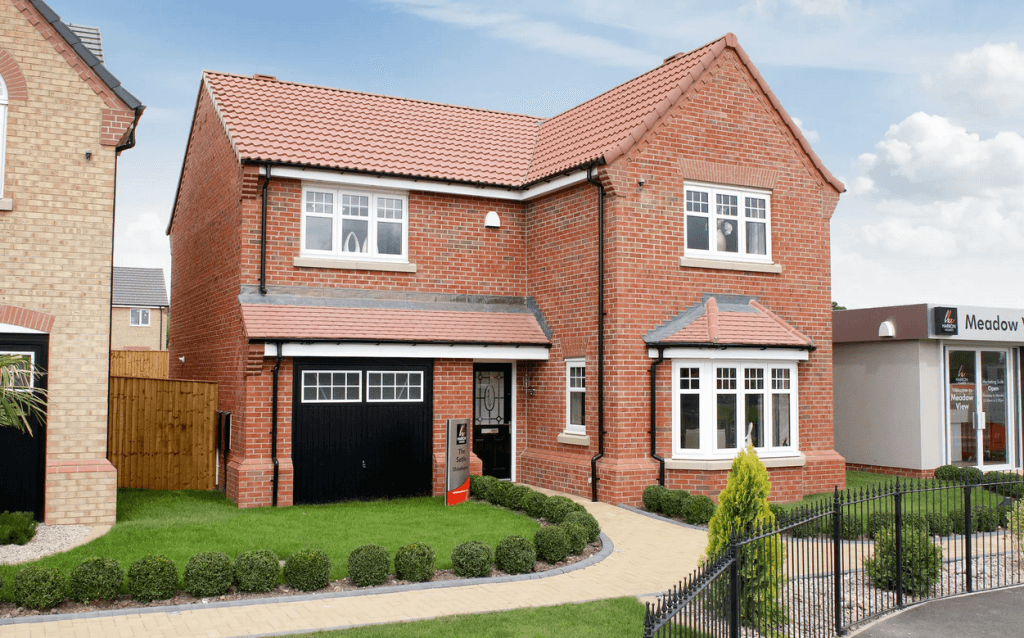
Harron Homes was founded in Yorkshire in 1992

Leading housebuilder Harron Homes Yorkshire has submitted a planning application to Barnsley Metropolitan Council for 230 new homes which will transform a discussed brownfield site on Bleachcroft Way in Barnsley, South Yorkshire.

Table of Contents

The proposals will not only regenerate the site, which has stood empty for 50 years, but it will also bring significant enhancements to the existing ecological features of the site, including Dob Sike.

The development will deliver a mix of two-, three- and four-bedroom homes all with electric car charging points and will feature green open spaces with picnic benches, a Trim Trail, a play area, footpaths, wildlife habitats, a woodland and 12.5 hectares of wildflower areas.

A historic area of high ecological value

The Dob Sike waterway is a historic area of high ecological value which is home to ancient trees, water voles and other wildlife. It will be restored and maintained by Harron and incorporated into the new development. The development will also feature an area of Birch Oak woodland that in previous plans for the site was lost.

Bringing significant enhancements to the existing ecological features of the site

“We are delighted to have submitted a planning application for this new development. We are hopeful that our plans will rejuvenate this derelict site while maintaining the rich variety of wildlife which calls this site home, and bring much needed homes to the Barnsley area,” says Tony Lee, Managing Director of Harron Homes Yorkshire.

Founded in Yorkshire in 1992

Harron Homes was founded in Yorkshire in 1992 and now, the company builds luxury homes in handpicked locations across Yorkshire, Derbyshire and Nottinghamshire from its two regional offices in Leeds and Barlborough.


Related Articles you may like

The Role of Airtightness in Passivhaus Design

Airtightness is a fundamental aspect of Passivhaus design, vital for ensuring optimal energy efficiency, thermal comfort, indoor air quality, and building durability. By preventing unintentional air leakage, airtightness significantly reduces the need for mechanical heating and cooling, resulting in lower energy consumption and a reduced carbon footprint. Furthermore, a well-sealed building envelope enhances indoor comfort by maintaining consistent temperatures and preventing drafts, while also ensuring that air quality is controlled and free from pollutants thanks to mechanical ventilation systems with heat recovery. Ultimately, achieving the stringent airtightness levels required by Passivhaus standards demands meticulous design, the use of top-quality materials, and precision in construction practices, making airtightness a cornerstone of this energy-efficient building approach.

Read More »
The Impact of Renewable Energy Systems on SAP Calculations

Understanding the interplay between renewable energy systems and SAP calculations is crucial for anyone looking to improve their property’s energy efficiency rating. SAP calculations help ensure buildings in the UK meet stringent energy standards by considering factors such as heating, insulation, and lighting. Renewable energy systems, such as solar panels and wind turbines, can significantly improve your SAP rating by reducing your carbon footprint and energy costs. Although the initial investment can be high, financial incentives and grants from the UK government can offset these expenses. At Ratio Seven, we specialise in integrating renewable energy systems into properties to optimise SAP ratings and ensure maximum energy efficiency.

Read More »
Air Testing Sunderland
Ensuring new buildings meet energy efficiency regulations.

Looking for air testing Sunderland, we can help. Ratio Seven offers nationwide air permeability testing, also referred to as air leakage or tightness testing, this is an integral component of building regulations. Not only does it reduce energy consumption but also enhances occupant comfort levels.

Read More »