What Is Air Permeability Testing and Why Does It Matter?
Air permeability testing helps us measure how much uncontrolled air escapes through the gaps and cracks in a building’s outer shell. It’s sometimes called air tightness testing or air leakage testing. The goal is very straightforward: reduce unwanted airflow to improve the energy performance of the building. This includes reducing heat loss, cutting energy bills, and supporting more comfortable indoor conditions.
When testing is carried out correctly, it provides a clear picture of how sealed a building really is. Many people are surprised at just how much air leaks out of their homes. Even high-spec dwellings can lose warmth through poorly sealed service conduits, gaps around windows, or where walls meet roofs.
This test isn’t just helpful for honesty. It’s a requirement for compliance under the Building Regulations Part L, which focuses on the conservation of fuel and power. So, whether you’re a new homeowner, a developer, or a commercial builder, the test serves a legal and practical duty by contributing to the overall efficiency and sustainability of a building.
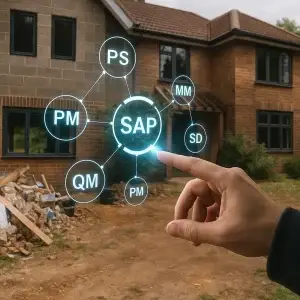
In simple terms, air permeability testing makes sure that buildings don’t waste heat through avoidable leakage, helping projects pass energy compliance checks like SAP calculations.
Air Permeability Testing and Building Performance
Air leakage is one of the main causes of energy loss in buildings. Without proper sealing, heated indoor air escapes and cold air creeps in. That makes heating systems work harder, especially in the winter. Think about how much energy gets wasted if warm air slips out through unsealed sockets or openings around windows.
With effective air sealing, your building keeps internal temperatures more stable. This means lower heating bills and a reduced carbon footprint. That’s also crucial for those looking to improve their dwelling’s energy rating.
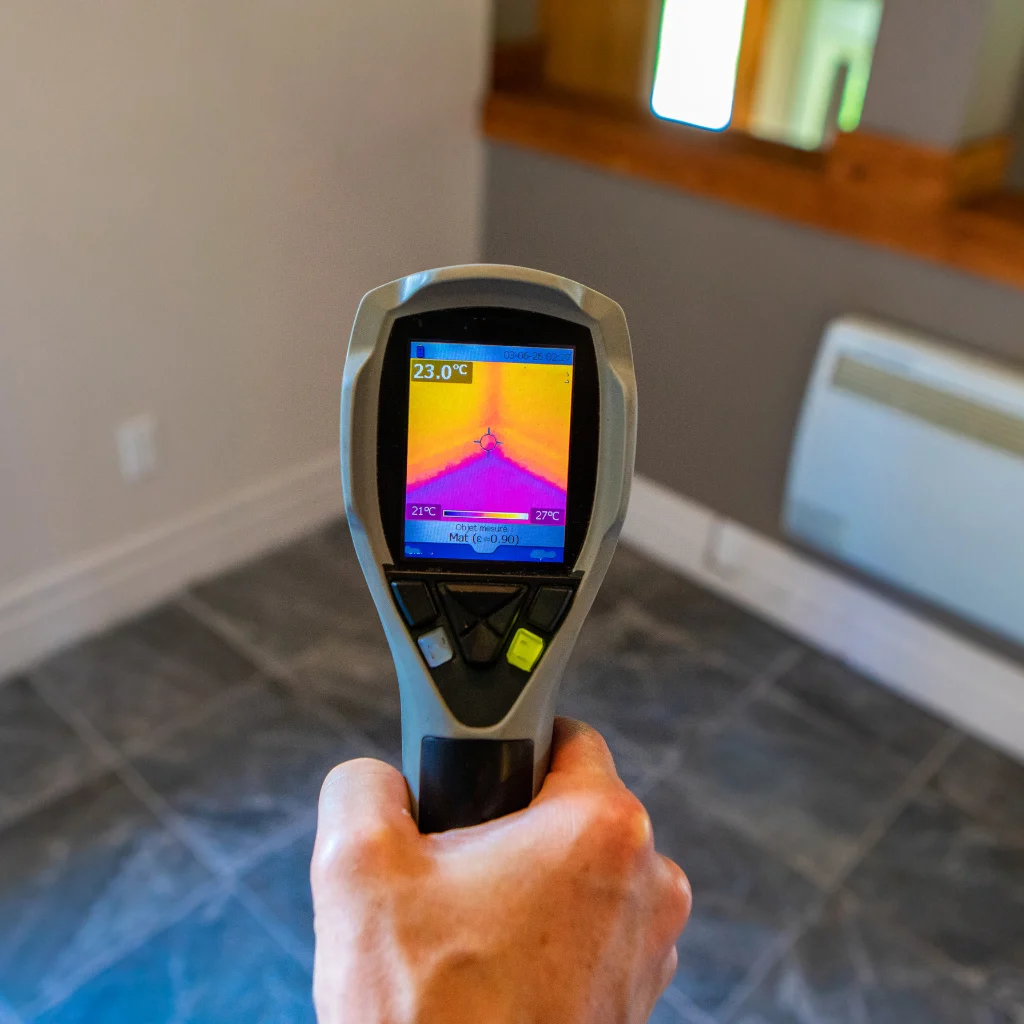
Good airtightness not only helps save money. It also adds a layer of comfort. No one wants to sit in a draughty home or work in a cold office. Buildings that are properly sealed feel warmer, more comfortable and experience fewer cold spots. They’re also less prone to mould growth caused by moist outside air meeting cold internal surfaces.
When it comes to comfort, health is linked right along with it. Poorly sealed homes can let in pollutants, dust and allergens. But when buildings pass air permeability testing, they filter the air better and make it easier to maintain a healthy, breathable indoor environment.
How Air Permeability Testing Is Carried Out
Testing usually involves a fan pressurisation method using blower doors. It sounds technical, but it’s actually a pretty simple idea. A door fan system is temporarily installed in one of the building’s main external openings, like the front door. All other intentional openings, such as trickle vents and extractor fans, are sealed for the test.
The fan either pumps air in or pulls it out to achieve a specific pressure, usually 50 Pascals. Testers then measure the rate at which air leaks from the building.
This rate is recorded as the number of cubic metres of air that escape per hour per square metre of external envelope area. This is written as m³/h.m² @ 50 Pa. It sounds complex, but it just tells us how leaky the building is.
Before the test takes place, we recommend sealing any obvious gaps. That includes checking mastic seals, pipe collars, window and door assemblies, and loft hatches. Inspecting these areas properly beforehand can avoid a failed test, which keeps the project timeline on track.
Different building types may require slightly varying test methods. For residential jobs, the process follows ATTMA TSL1 guidance. For larger or non-residential developments, engineers follow ATTMA TSL2 regulations. Both ensure valid, consistent test results every time.
Building Regulations Part L and When Testing Is Needed
Testing is typically required for nearly all new builds. These rules fall under Building Regulations Part L, which focuses on improving energy conservation within new and refurbished buildings. Residential developments, as well as larger commercial properties, usually need to be tested before handover.
Some smaller projects might avoid tests using specific modelling options, but these need strict adherence to approved design standards. For most developers, testing is a routine part of completing projects on time and certifying against energy performance requirements.
The maximum allowable air permeability rating under Building Regulations Part L is 10 m³/h.m² at 50 Pa. But developers often aim for tighter levels, such as 5 or even 3 m³/h.m², if they wish to achieve better SAP calculations for new builds or gain credit in environmental schemes like BREEAM.
How Nationwide Air Testing Providers Can Help
Professional services like Ratio Seven and other reliable testers across the UK help streamline this essential part of development. Technicians test new builds with calibrated equipment and give real-time diagnostic feedback on leakage areas.
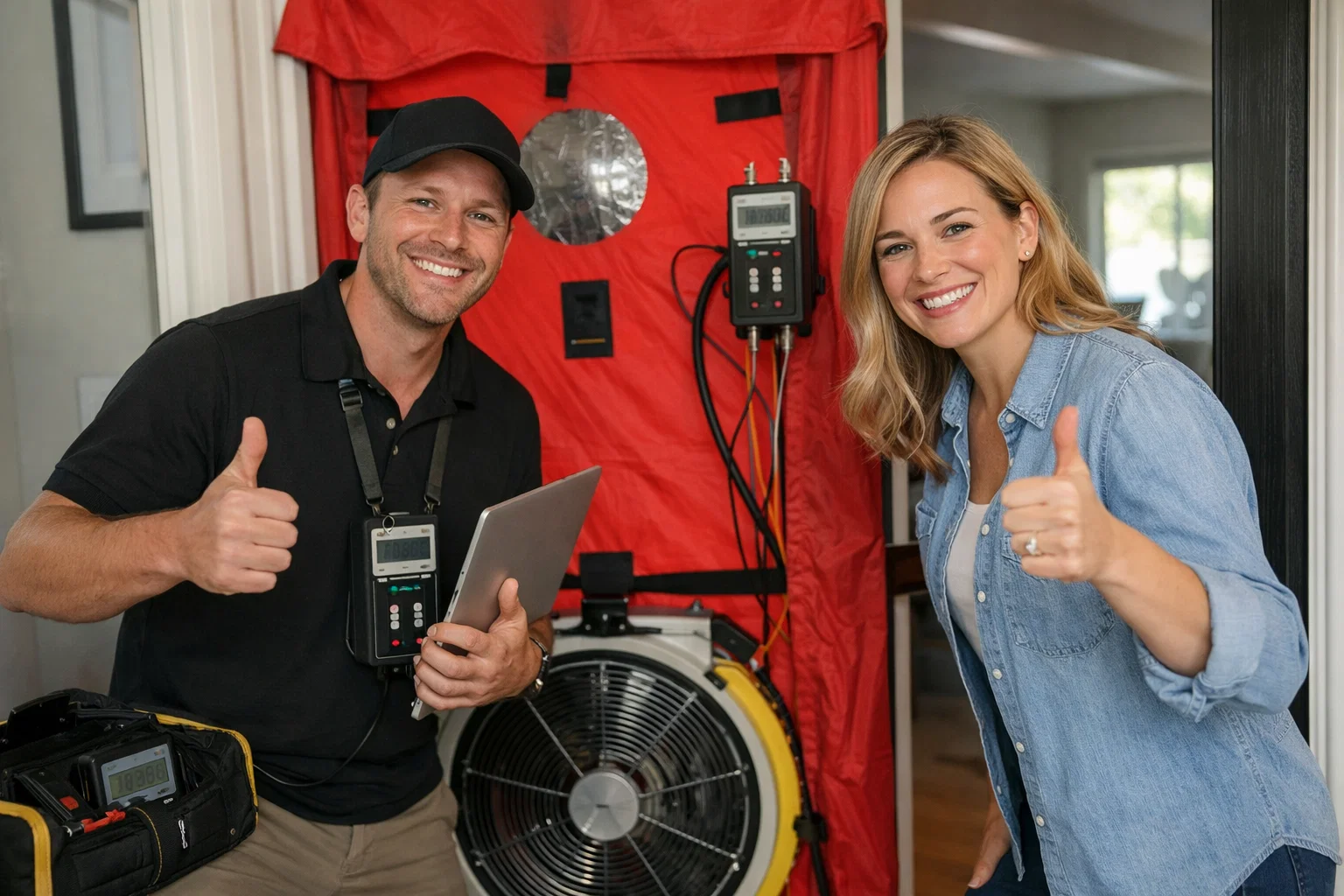
At Ratio Seven, our certified teams test in line with national standards and offer fast support when developers are up against deadlines. If there are issues with the result, we don’t just tick a box; we give guidance on how to quickly improve the sealing and achieve compliance.
We also help developers improve their energy strategy by advising on sealing details as part of early-stage planning. This saves time later. Testing early also improves the accuracy of SAP assessments and typically results in lower EPC values when the property is finally assessed.
Common Areas of Air Leakage and How to Fix Them
Air can escape from almost anywhere if not sealed properly.
Here are the usual suspects:
- Around pipes and service ducts
- Window frames and sills
- External door edges
- Loft hatches and ceiling junctions
- Floor-to-wall corners
These leaks usually happen when trades are rushed or when tradespeople are unaware of the airtightness needs. Even minor missteps by one team can mean failing the air test later down the line.
To avoid such issues, we advise starting with accurate construction drawings that detail which areas need sealing. On-site, there should be good communication between trades and regular airtightness checks, especially before plastering. Builders should also avoid damaging seals during follow-up works.
What Happens if a Building Fails the Test?
If test results fall outside the permissible level, retesting is needed. There’s no penalty or extra paperwork involved, but delays can affect project timelines, especially on larger plots with scheduled completions.
Retesting is only useful if remedial work is done properly beforehand. That means locating the root cause of leakage before simply rescheduling a test. We recommend a walkthrough with the testing technician, who can point out common failure points.
At Ratio Seven, we offer diagnostic re-tests and smoke tests where required. Our testers help developers fix the exact points of failure on the same day when possible. Many tests can be completed within a short notice window, supporting a smooth finish even under tight deadlines.
FAQs
We often help answer key questions for developers and homeowners looking to understand air testing. From how long tests take to how to prepare:
- Visit our full air testing FAQs
- Browse our detailed SAP FAQs
These pages help explain what the testing involves, typical pass rates, and timelines for follow-up.
Air Permeability Testing That Improves Comfort, Costs and Compliance
Air permeability testing is more than just ticking off building regulations. It supports warmer, healthier and more cost-efficient buildings. Whether you’re putting together a small development or creating an energy-efficient commercial property, airtightness testing helps you hit those crucial targets.
When you work with an experienced testing provider like Ratio Seven, you get accurate testing, fast feedback and experienced guidance. It’s not just about compliance anymore. Better airtightness means better energy scores, happier occupants, and smoother project delivery. For any ongoing or upcoming project, internal planning and communication make all the difference.
Preparing properly and choosing expert testing support can save time and money in the long run.