The Role of Airtightness in Creating Comfortable Living Spaces
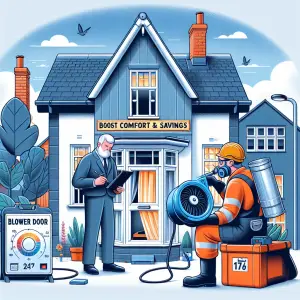
Airtightness is essential for fostering comfortable and energy-efficient living spaces, as it minimises air leakage through the building envelope, thereby significantly reducing energy loss and operational carbon emissions. This not only lowers heating and cooling demands but also enhances indoor air quality by allowing for controlled ventilation, which keeps allergens and pollutants at bay. Additionally, eliminating drafts and cold spots through airtight construction improves thermal comfort and ensures a consistent indoor environment. Employing specific construction techniques and rigorous airtightness testing, as Ratio Seven, underscores the importance of achieving optimal airtightness to create healthier and more sustainable living spaces.