Why You Need SAP Calculations
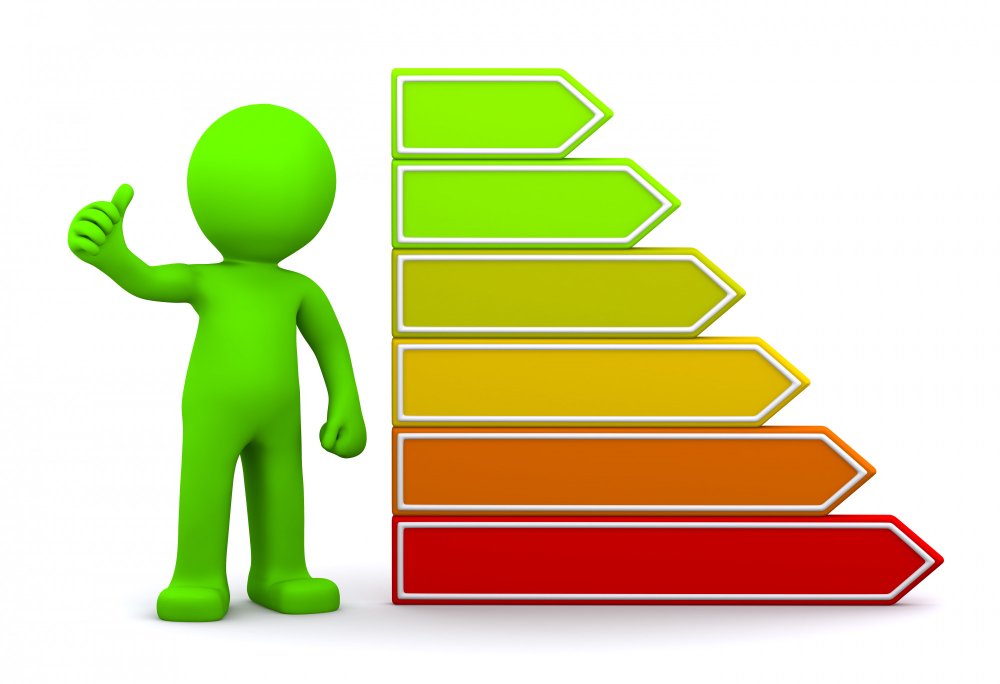
SAP stands for standard assessment procedure. The purpose of these calculations is to measure the energy performance of buildings. These calculations are required by the Building Regulations, introduced by the

Call us now

SAP stands for standard assessment procedure. The purpose of these calculations is to measure the energy performance of buildings. These calculations are required by the Building Regulations, introduced by the


A curtain wall is an exterior covering that covers windows and other transparent surfaces. The curtain wall’s materials include steel, wood, and fabric. These materials have different thermal conductivity, so

A building envelope is a structure that protects its interior and exterior from external environmental factors. Properly installed, this system reduces stress on mechanical systems, lowers energy bills, and increases

Water underfloor heating works by distributing heat evenly throughout the floor. This technology operates at a lower temperature than traditional radiators, reducing energy costs. It can keep your floors warm

Electric underfloor heating. There are two main types of underfloor heating: electric and hydronic. Electric systems use electricity to heat your floors and hot water uses water. Both types of

Installing ceramic floor tiles is a relatively simple process, but there are some things you should know first. Before you begin, make sure your sub-floor is level and free of

Wooden floors have a number of advantages, and they are a good option for any home. Apart from being aesthetically pleasing, wooden floors are also extremely durable and resilient. They

Carbon monoxide, or CO, is an odorless, colorless gas that can kill in seconds. It can cause sudden cardiac arrest and death in high concentrations. Over 400 people die from

SAP Calculations are the Government’s standard assessment procedure for energy ratings. These assessments are also known as On Construction EPCs, Predicted Energy Assessments, and Pre-Appraisals. SAP calculates the energy performance